Benjamin Lincoln Papers, 1635-1964 » 1635–1776 [read more]
These reels consist of letters and other documents detailing Lincoln family affairs during
the last years of Lincoln's grandfather; the life of his father, Colonel Benjamin Lincoln; and
the years of Lincoln's youth. The documents that deal with Lincoln's early years cover his
service as Hingham's town clerk and as justice for the county and provincial courts; his
position in the three provincial councils of Massachusetts and in the Revolutionary General
Court; and his commands in the militia of the Massachusetts Bay Province, the militia of the
Revolutionary Commonwealth, and the Massachusetts units that joined General Washington in New
York.
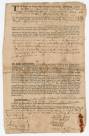
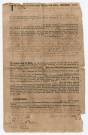
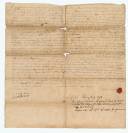
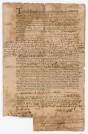
Following the initial document dated 1635--a copy of an epitaph--the documents of the
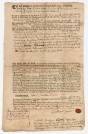
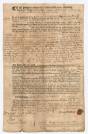
Lincoln family begin in 1694. Almost all of the papers between 1694 and 1774 consist of deeds,
wills, acquittances, obligations, receipts, bills of sale, and other contractual agreements
among the members of the Lincoln family and their relatives. A number of letters and documents
(1746-1762) concern the settlement of the estate of Lincoln's maternal grandparents, Samuel
and Hanna Thaxter. Others deal with the estate of his father-in-law, John Cushing, and the
estate of his brother, Bela, who died in 1773.
Also included in this section is a shorthand book composed by Richard Bartlet (1705), a list
of assessments committed to Colonel Benjamin Lincoln for collection in 1754, and a notebook of
property measurements and settlements belonging to Colonel Benjamin Lincoln (1752-1770).
The earliest documents relating to General Benjamin Lincoln are two almanac-diaries dated
1750 and 1763 respectively. There follows a summary of court records kept by Lincoln from 1763
to 1773. The papers for 1775 include seven letters from Lincoln--six to officials in Hingham
and the other to the Massachusetts Council--five resolutions passed by the Third Provincial
Council and the Revolutionary General Court, and one letter from Joseph Otis to Joseph Warren,
dated November 26, 1775.
Most of the documents for 1776 consist of letters from Lincoln to his commanding officers in
the Massachusetts militia and to General Washington, as well as Lincoln's general and
divisional orders and periodic returns from the several military units under his command. The
volume entitled "General Washington's Letters" no longer contains any Washington letters, but
consists of a series of official commissions for commands and public offices held by Lincoln
and his father.
These reels consist of letters and other documents detailing Lincoln family affairs during
the last years of Lincoln's grandfather; the life of his father, Colonel Benjamin Lincoln; and
the years of Lincoln's youth. The documents that deal with Lincoln's early years cover his
service as Hingham's town clerk and as justice for the county and provincial courts; his
position in the three provincial councils of Massachusetts and in the Revolutionary General
Court; and his commands in the militia of the Massachusetts Bay Province, the militia of the
Revolutionary Commonwealth, and the Massachusetts units that joined General Washington in New
York.
Following the initial document dated 1635--a copy of an epitaph--the documents of the
Lincoln family begin in 1694. Almost all of the papers between 1694 and 1774 consist of deeds,
wills, acquittances, obligations, receipts, bills of sale, and other contractual agreements
among the members of the Lincoln family and their relatives. A number of letters and documents
(1746-1762) concern the settlement of the estate of Lincoln's maternal grandparents, Samuel
and Hanna Thaxter. Others deal with the estate of his father-in-law, John Cushing, and the
estate of his brother, Bela, who died in 1773.
Also included in this section is a shorthand book composed by Richard Bartlet (1705), a list
of assessments committed to Colonel Benjamin Lincoln for collection in 1754, and a notebook of
property measurements and settlements belonging to Colonel Benjamin Lincoln (1752-1770).
The earliest documents relating to General Benjamin Lincoln are two almanac-diaries dated
1750 and 1763 respectively. There follows a summary of court records kept by Lincoln from 1763
to 1773. The papers for 1775 include seven letters from Lincoln--six to officials in Hingham
and the other to the Massachusetts Council--five resolutions passed by the Third Provincial
Council and the Revolutionary General Court, and one letter from Joseph Otis to Joseph Warren,
dated November 26, 1775.
Most of the documents for 1776 consist of letters from Lincoln to his commanding officers in
the Massachusetts militia and to General Washington, as well as Lincoln's general and
divisional orders and periodic returns from the several military units under his command. The
volume entitled "General Washington's Letters" no longer contains any Washington letters, but
consists of a series of official commissions for commands and public offices held by Lincoln
and his father.

 DIGITIZED COLLECTIONS
 Crowdsourced Transcription Project