Benjamin Lincoln Papers, 1635-1964 » Jan.–May 1779 [read more]
These reels consist of letters and other documents detailing Lincoln's initial attempts as
commander of the Southern Army to stop British advances from their base in Savannah, Ga. The
first item is a letterbook (volume 3) containing copies of 380 letters written by Lincoln between
November 7, 1778, and August 2, 1779. These letters reveal the multiple problems, setbacks,
and occasional successes experienced by Lincoln in trying to build and equip an army in the
face of British offensive movements. Letters addressed to Washington and to Henry Laurens and
John Jay, Presidents of the Continental Congress, contain Lincoln's assessments of military
needs and requests for aid. Among the other correspondents are: Robert Lowndes and John
Rutledge of South Carolina, Governor Caswell of Georgia, Lincoln's quartermasters, and General
Prevost. Subjects discussed in the correspondence include: the procurement of militia units
and supplies, transport, depreciating currencies, loyalist sentiment and readiness to
surrender Charleston, efforts by loyalists to enlist Indian and back-country support,
prisoners of war, officer parole, and civilian displacement.
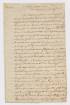
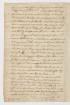
Except for a few personal letters written by Lincoln, the rest of the documents on these
reels consist of correspondence received by him. Almost all of the letters deal with military
matters--reports and returns from unit commanders and court-martial proceedings. Lincoln's
most frequent correspondent was Governor Rutledge, whose genuine support of the Revolution and
generous cooperation with Lincoln are well documented in his letters. The correspondence also
reveals General Moultrie's constant complaints, General Ashe's excuses and justifications,
Francis Marion's bluntness, and Colonel C.C. Pinckney's enthusiasm for the cause. This
incoming correspondence to Lincoln's headquarters is supplemented by a few letters from
officials in Philadelphia, communications from British officers, and reports on family matters
from Benjamin Lincoln, Jr.
These reels consist of letters and other documents detailing Lincoln's initial attempts as
commander of the Southern Army to stop British advances from their base in Savannah, Ga. The
first item is a letterbook (volume 3) containing copies of 380 letters written by Lincoln between
November 7, 1778, and August 2, 1779. These letters reveal the multiple problems, setbacks,
and occasional successes experienced by Lincoln in trying to build and equip an army in the
face of British offensive movements. Letters addressed to Washington and to Henry Laurens and
John Jay, Presidents of the Continental Congress, contain Lincoln's assessments of military
needs and requests for aid. Among the other correspondents are: Robert Lowndes and John
Rutledge of South Carolina, Governor Caswell of Georgia, Lincoln's quartermasters, and General
Prevost. Subjects discussed in the correspondence include: the procurement of militia units
and supplies, transport, depreciating currencies, loyalist sentiment and readiness to
surrender Charleston, efforts by loyalists to enlist Indian and back-country support,
prisoners of war, officer parole, and civilian displacement.
Except for a few personal letters written by Lincoln, the rest of the documents on these
reels consist of correspondence received by him. Almost all of the letters deal with military
matters--reports and returns from unit commanders and court-martial proceedings. Lincoln's
most frequent correspondent was Governor Rutledge, whose genuine support of the Revolution and
generous cooperation with Lincoln are well documented in his letters. The correspondence also
reveals General Moultrie's constant complaints, General Ashe's excuses and justifications,
Francis Marion's bluntness, and Colonel C.C. Pinckney's enthusiasm for the cause. This
incoming correspondence to Lincoln's headquarters is supplemented by a few letters from
officials in Philadelphia, communications from British officers, and reports on family matters
from Benjamin Lincoln, Jr.

 DIGITIZED COLLECTIONS
 Crowdsourced Transcription Project
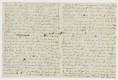
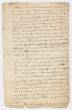
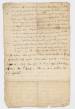
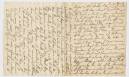
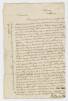
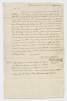
Reel 3a, Box 4, Folder 7, 6-10 May 1779
Reel 3a, Box 4, Folder 5, 26-30 April 1779
Reel 3a, Box 4, Folder 6, 1-5 May 1779