Benjamin Lincoln Papers, 1635-1964 » 1781–July 1783 [read more]
These reels consist of letters and other documents detailing Lincoln's work in organizing
Massachusetts volunteer units, his command under Washington through the surrender of
Cornwallis, and most of his tenure as the first Secretary of War under the Confederation
government.
Lincoln's correspondence during the winter months of 1781 describes the many difficulties he
faced as supervisor of new enlistments, including the lack of fitness for military duty of
many of the volunteers and the thorny problem of assigning these units to out-of-state duty.
Correspondents include his two superintendents, Colonels Shepard and Crane; the Massachusetts
Assembly; and Governor Hancock. Other correspondence documents Lincoln's movements with his
troops south to Yorktown and includes requests for transport and supplies and reports to
Washington.
The official correspondence during most of Lincoln's term as Secretary of War deals with
petitions of individual officers like Henry Knox, then in command at West Point; efforts to
keep the armed forces from disintegrating; and the question of officers' pay. Several letters
in this section are addressed to Robert Morris, the Superintendent of Finance, and to George
Washington. Also represented in this correspondence is Lincoln's assistant, William
Jackson.
These reels contain many documents devoted to family matters, including correspondence
between Lincoln and his eldest son, Benjamin Lincoln, Jr., and two of the very few letters in
the collection written by Lincoln to his wife Mary. Many of these letters attest to the
family's strained financial condition and Lincoln's dependence on his son to take care of
business transactions at home. Other documents forecast Henry Knox's later financial
difficulties.
Included among these personal papers are lengthy writings by Lincoln on subjects such as
"Friendship," "Innocence," "Reason and Passion," "Happiness and Pain," "The Relationship of
the States and the Central Authority," "The Importance of Commerce to a Nation," and "The
Virtue of Labor," as well as several pieces that reflect Lincoln's interest in descriptive
geography.
These reels consist of letters and other documents detailing Lincoln's work in organizing
Massachusetts volunteer units, his command under Washington through the surrender of
Cornwallis, and most of his tenure as the first Secretary of War under the Confederation
government.
Lincoln's correspondence during the winter months of 1781 describes the many difficulties he
faced as supervisor of new enlistments, including the lack of fitness for military duty of
many of the volunteers and the thorny problem of assigning these units to out-of-state duty.
Correspondents include his two superintendents, Colonels Shepard and Crane; the Massachusetts
Assembly; and Governor Hancock. Other correspondence documents Lincoln's movements with his
troops south to Yorktown and includes requests for transport and supplies and reports to
Washington.
The official correspondence during most of Lincoln's term as Secretary of War deals with
petitions of individual officers like Henry Knox, then in command at West Point; efforts to
keep the armed forces from disintegrating; and the question of officers' pay. Several letters
in this section are addressed to Robert Morris, the Superintendent of Finance, and to George
Washington. Also represented in this correspondence is Lincoln's assistant, William
Jackson.
These reels contain many documents devoted to family matters, including correspondence
between Lincoln and his eldest son, Benjamin Lincoln, Jr., and two of the very few letters in
the collection written by Lincoln to his wife Mary. Many of these letters attest to the
family's strained financial condition and Lincoln's dependence on his son to take care of
business transactions at home. Other documents forecast Henry Knox's later financial
difficulties.
Included among these personal papers are lengthy writings by Lincoln on subjects such as
"Friendship," "Innocence," "Reason and Passion," "Happiness and Pain," "The Relationship of
the States and the Central Authority," "The Importance of Commerce to a Nation," and "The
Virtue of Labor," as well as several pieces that reflect Lincoln's interest in descriptive
geography.

 DIGITIZED COLLECTIONS
 Crowdsourced Transcription Project
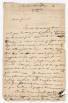
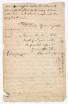
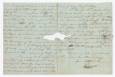
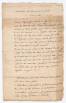
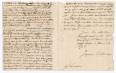
Reel 6, Box 6, Folder 20, October 1781
Reel 6, Box 6, Folder 18, August 1781
Reel 6, Box 6, Folder 19, September 1781