Benjamin Lincoln Papers, 1635-1964 » 1788–1792 [read more]
This reel consists of letters and other documents detailing Lincoln's service in the
Massachusetts ratifying convention, as lieutenant governor, as one of the United States
Commissioners to the Southern Indians, and as customs collector for the port of Boston during
the first years of his term of office.
Lincoln's federalist views in the struggle over the ratification of the Constitution are
revealed in his correspondence with Washington, John Adams, Henry Knox, Samuel Otis, Theodore
Sedgwick, Dr. David Ramsay of South Carolina, and others. While only a few letters in this
collection indicate the strained relations between Lincoln and Governor Hancock, Lincoln's
continued loyalty to Washington is revealed not only in the direct correspondence between the
two men, but also in the many letters between Lincoln and Washington's private secretary,
Tobias Lear.
Documents on this reel provide evidence of Lincoln's multiple and varied interests, as well
as his personal responsibilities. These interests include: the Penobscot Indians and the
development of the "eastern counties," fish migration, the New England cotton industry, and
the affairs of the Massachusetts militia. Among the many correspondents are John Lee, Daniel
Little, and George Cabot. Personal correspondence with friends and relatives describes the
death of Lincoln's eldest son, Benjamin, Jr.; the failure of Lincoln's milling venture and the
resulting financial difficulties that led him to ask Washington for a federal position; and
the gradual development of his interests in present-day Maine. Family correspondents include
Lincoln's sons Theodore and Martin.
The bulk of the documents in this reel consist of Lincoln's official correspondence as
customs collector for the port of Boston. This correspondence reveals the many problems and
responsibilities related to the position, such as paying invalid pensions, supervising
lighthouses, funding Continental certificates, and privateering. The reel includes a
significant amount of correspondence with Alexander Hamilton and his assistants, as well as
with Henry Knox as Secretary of War, and ends with a letterbook (volume 5) of Lincoln's official
correspondence containing some 230 letters dated from April 27, 1791, to June 29, 1798. The
letters in the volume disclose the meticulous procedures devised by Hamilton for handling and
accounting for public funds.
This reel consists of letters and other documents detailing Lincoln's service in the
Massachusetts ratifying convention, as lieutenant governor, as one of the United States
Commissioners to the Southern Indians, and as customs collector for the port of Boston during
the first years of his term of office.
Lincoln's federalist views in the struggle over the ratification of the Constitution are
revealed in his correspondence with Washington, John Adams, Henry Knox, Samuel Otis, Theodore
Sedgwick, Dr. David Ramsay of South Carolina, and others. While only a few letters in this
collection indicate the strained relations between Lincoln and Governor Hancock, Lincoln's
continued loyalty to Washington is revealed not only in the direct correspondence between the
two men, but also in the many letters between Lincoln and Washington's private secretary,
Tobias Lear.
Documents on this reel provide evidence of Lincoln's multiple and varied interests, as well
as his personal responsibilities. These interests include: the Penobscot Indians and the
development of the "eastern counties," fish migration, the New England cotton industry, and
the affairs of the Massachusetts militia. Among the many correspondents are John Lee, Daniel
Little, and George Cabot. Personal correspondence with friends and relatives describes the
death of Lincoln's eldest son, Benjamin, Jr.; the failure of Lincoln's milling venture and the
resulting financial difficulties that led him to ask Washington for a federal position; and
the gradual development of his interests in present-day Maine. Family correspondents include
Lincoln's sons Theodore and Martin.
The bulk of the documents in this reel consist of Lincoln's official correspondence as
customs collector for the port of Boston. This correspondence reveals the many problems and
responsibilities related to the position, such as paying invalid pensions, supervising
lighthouses, funding Continental certificates, and privateering. The reel includes a
significant amount of correspondence with Alexander Hamilton and his assistants, as well as
with Henry Knox as Secretary of War, and ends with a letterbook (volume 5) of Lincoln's official
correspondence containing some 230 letters dated from April 27, 1791, to June 29, 1798. The
letters in the volume disclose the meticulous procedures devised by Hamilton for handling and
accounting for public funds.

 DIGITIZED COLLECTIONS
 Crowdsourced Transcription Project
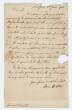
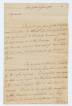
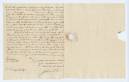
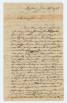
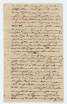
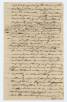
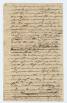
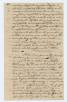
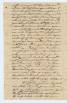
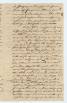
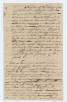
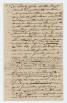
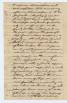
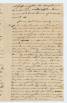
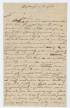
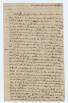
Reel 9, Box 9, Folder 12, July - Aug 1788
Reel 9, Box 9, Folder 10, May 1788
Reel 9, Box 9, Folder 11, June 1788