The MHS offers an engaging roster of programming to foster historical knowledge and we welcome everyone to attend, question, and contribute. We provide a forum for debate; host a variety of events that delve into the complexities of history; and encourage people to share their observations, interpretations, and ideas.
Events
Search Events
We are pleased to participate in the Card to Culture program, a collaboration between Mass Cultural Council and the Department of Transitional Assistance, Massachusetts Health Connector, and Women, Infants & Children (WIC) Nutrition Program by extending discounts to EBT, WIC, and ConnectorCare cardholders. Cardholders are eligible for free or discounted entry at our public program events, including both virtual and in-person programs. There are no restrictions on the number of times an individual can present a card for admission and no restrictions on the number of tickets held per event (except for fundraising and cultivation events). See the full list of participating organizations offering EBT, WIC, and ConnectorCare discounts.
Our programs take place in person as well as virtually via Zoom or YouTube. All online programs are in English and have closed captioning enabled through Zoom or YouTube. If you would like to attend a program in person and are in need of accommodations, please register early and note your accessibility needs so we can make attendance feasible. If you need ASL interpretation, please register at least two weeks in advance, to ensure time to secure an interpreter.
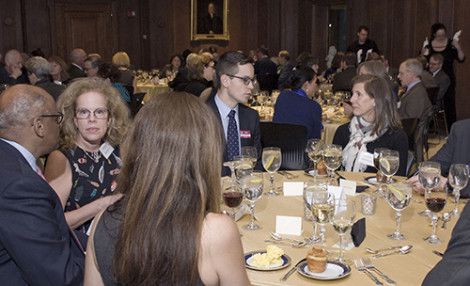
Donor And Member Events
The MHS hosts events throughout the year to thank our various donor groups. Members receive special invitations to exclusive events.

Author Talks
The MHS keeps abreast of emerging trends in American history. Throughout the year, we host authors to speak on a variety of topics related to American and Massachusetts history. (Past event recordings available.)

Panel Discussions & Special Events
The MHS offers a range of programs including lectures, panel discussions, gallery tours, and special events led by notable speakers, public figures, and scholars.

Seminars
The MHS organizes seven seminar series that bring together a diverse group of scholars and members of the public to workshop a pre-circulated academic paper.
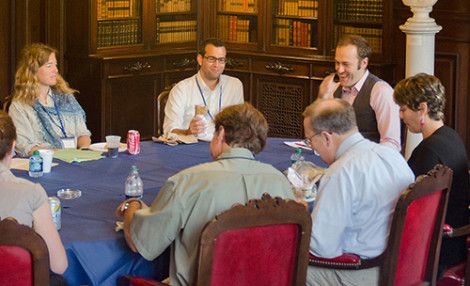
Brown Bags
The MHS offers more than two dozen brown-bag lunch programs each year. These programs are free of charge and open to all.
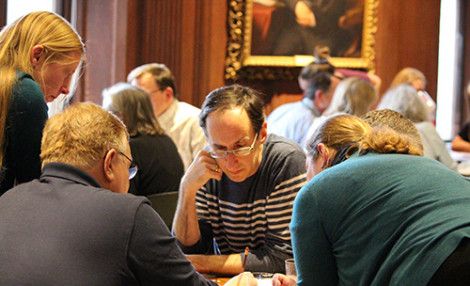
Workshops
The MHS develops and implements educator workshops on a variety of American history topics.
Show your support.
Be a part of the MHS Story.
Support the Society's mission while enjoying special privileges. The MHS Fund provides the everyday resources that move our top priorities forward. With your support, the Society can offer culturally relevant exhibitions, educational and enriching programs, rare primary sources for researchers, and special care of our world-class collection.