“Big city life at its very best”: Urban Renewal, Vice, and Adult Entertainment in 1970s Boston

By Brendan Kieran, Reader Services

During the 1970s, Boston’s Combat Zone, a (now former) adult entertainment district located around lower Washington Street, was at the center of urban renewal plans. After looking through the finding aid for the Park Plaza Development Project records, I decided to dig in and see if I could unpack attitudes toward the Combat Zone during this period. I largely focused on a group of reports produced during the planning period by the Park Plaza Civic Advisory Committee (CAC), a citizen’s group formed in response to the plans of the Boston Redevelopment Authority (BRA) for the project. These records provide insights into the shifting attitudes toward regulation of adult entertainment and vice in Boston during the 1970s, and also shed some light on the goals of urban renewal projects, the physical and social geography of the city, and desired models for maintaining order in the city.
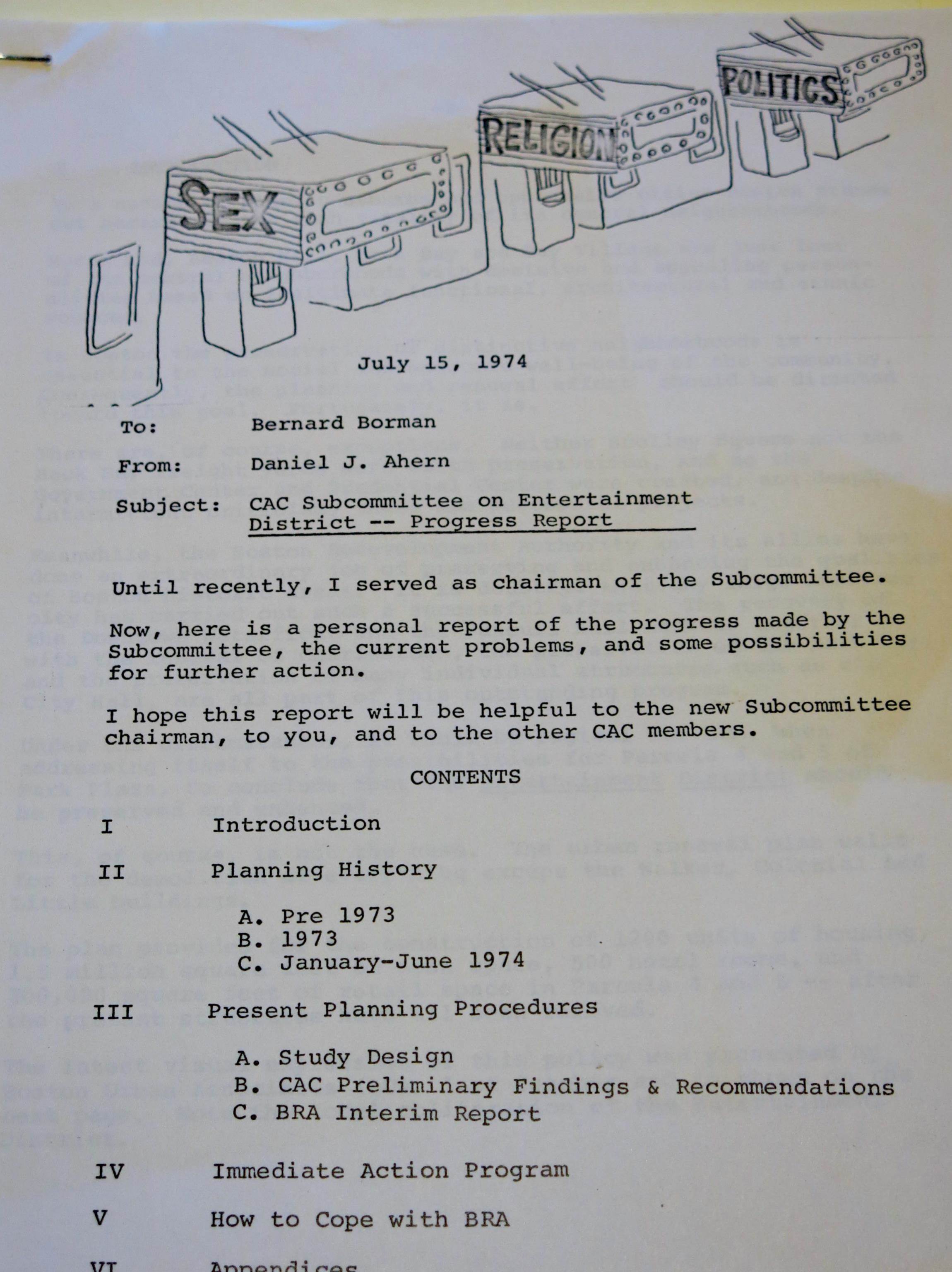
 

The BRA’s plans for the Park Plaza project called for the demolition of parts of the Combat Zone. In a May 1973 report, the BRA discusses the impacts of this demolition on adult entertainment in the city. The report mentions the prior demolition of Scollay Square and its impact on adult entertainment. Businesses did not move from the Square to the Washington Street area when it was demolished; rather, the Washington Street adult district already existed. This implies that when the Combat Zone is destroyed, adult businesses from the Washington Street area will not move elsewhere, and the businesses in other areas will not be impacted. The report then states the City of Boston’s desire to increase surveillance and management of “remaining adult entertainment,” utilizing “new street lighting, public mini-parks, sign control, expanded police enforcement, continued police ‘visibility’, and possible additional control under various regulatory measures.”
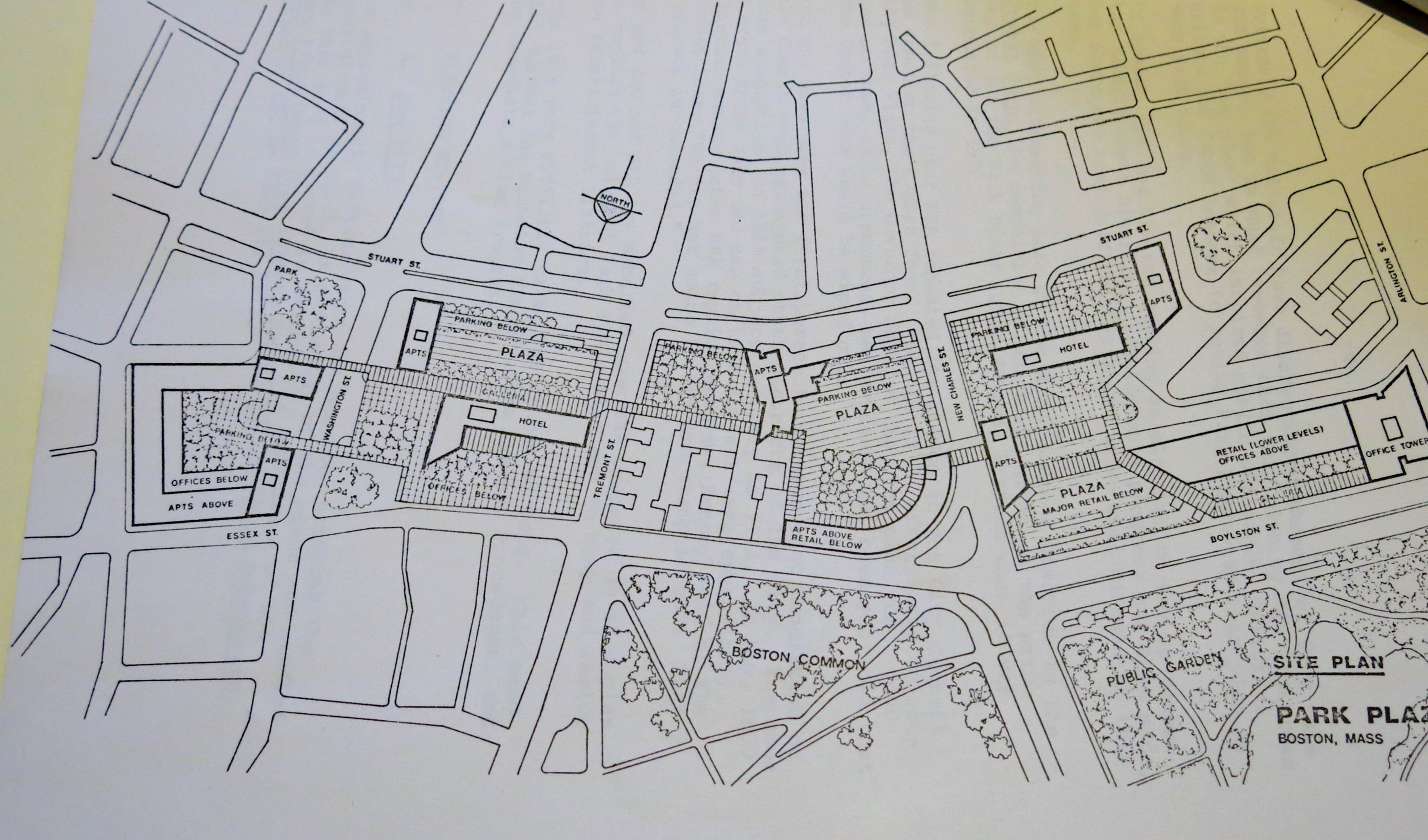
The “Combat Zone” area is to the left in this photo.


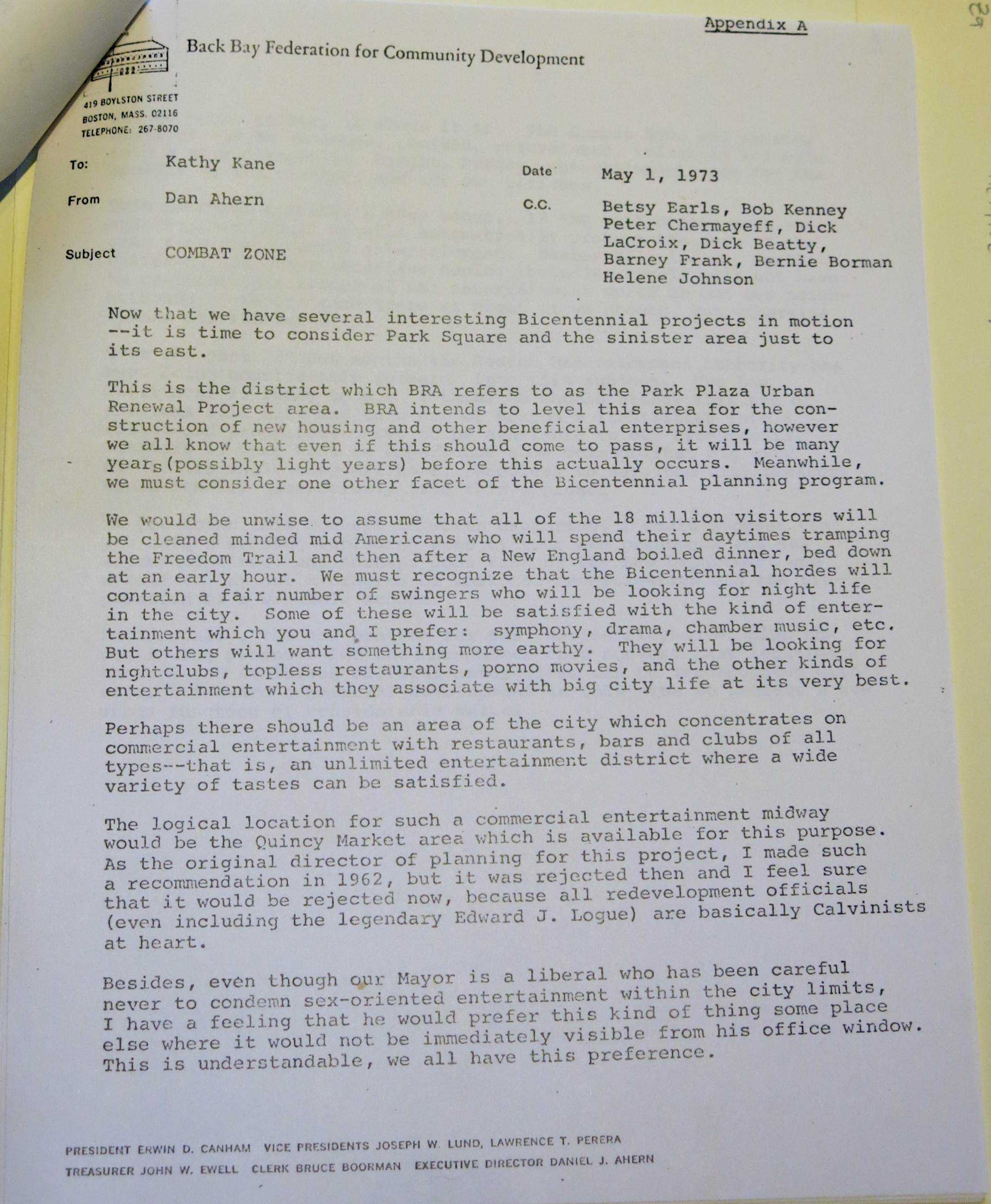
The BRA met resistance to this plan, however. Writing in July 1974, CAC member Daniel J. Ahern criticizes the demolition plan, and writes about proposals to preserve the district. His report represents a different view than the earlier one taken by the BRA; he suggests that containment of adult entertainment in that district is necessary for the well-being of the city. Ahern makes his views on the matter clear in Appendix A of his report, a memo dated 1 May 1973. In the memo, he is very critical of the “earthy” forms of entertainment in the Combat Zone that he thinks certain people “associate with big city life at its very best.” However, he argues that the best approach is to maintain it in that location, invest in it, and keep it available for people who want it while protecting other parts of Boston from those forms of entertainment.

Along these lines, an Entertainment District Subcommittee of the CAC was formed to work on these issues. Connections were formed between the CAC and business owners in the area, who wanted to privately invest in plans for improvements to the area. Additionally, both the CAC and the business owners expressed interest in working with the BRA to implement new plans. The BRA, however, while expressing a willingness to work with the CAC and business owners, was fairly uncooperative. As of Ahern’s writing in July 1974, and at least as late the release of a February 1975 CAC newsletter, the demolition plan was still in place.
 

These discussions about vice and urban planning took place within a broader context of urban renewal in 1970s Boston. The Park Plaza reports call for revitalization of underutilized areas, and predict an influx of newer, wealthier residents and customers into the area. According to a March 1974 Department of Community Affairs report, over three-quarters of the new housing proposed as part of the Park Plaza project were for “middle and upper income residents.” The influence of big developers and the lack of affordable housing in the proposal serve as points of contention for some people. This suggests room for analysis of class dynamics and who would have benefited from the developments.

As I only looked at this small group of reports, it’s safe to say that I haven’t come close to unpacking the whole story. For example, I’m interested in the roles that race and gender may have played in these discussions and developments. If you’re interested in conducting some investigations of your own, the Park Plaza Development Project records are open for research here in the library at the MHS.


Harriet the Spy

By Susan Martin, Collections Services

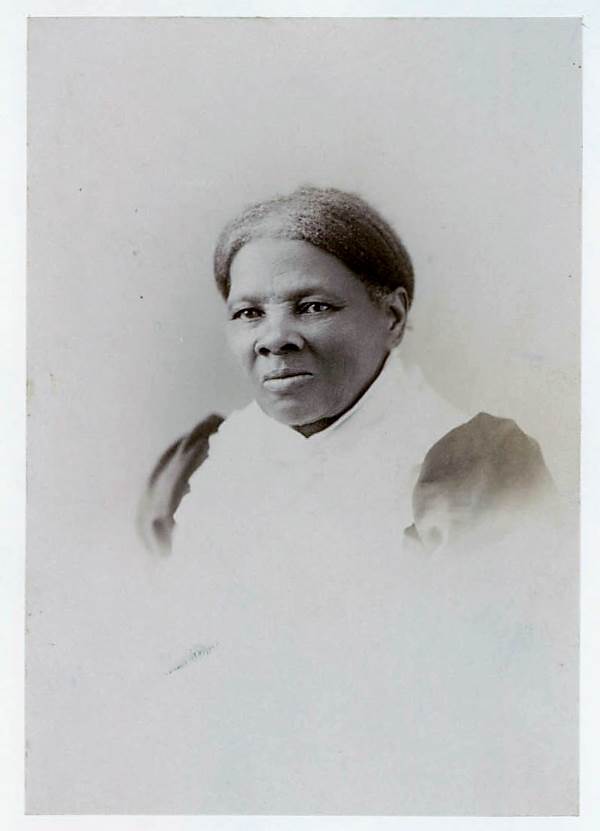
Last week, the U.S. Treasury Department announced that Harriet Tubman will be featured on the new $20 bill, becoming simultaneously the first African American and the third woman (after Pocahontas and Martha Washington) to appear on our federal paper currency. An escaped slave, “conductor” on the Underground Railroad, Union scout, armed raider, humanitarian, suffragist: the more you learn about Tubman, the more fascinating she becomes. John Brown called her “General Tubman.” I decided to search the MHS collections for material related to this remarkable woman.

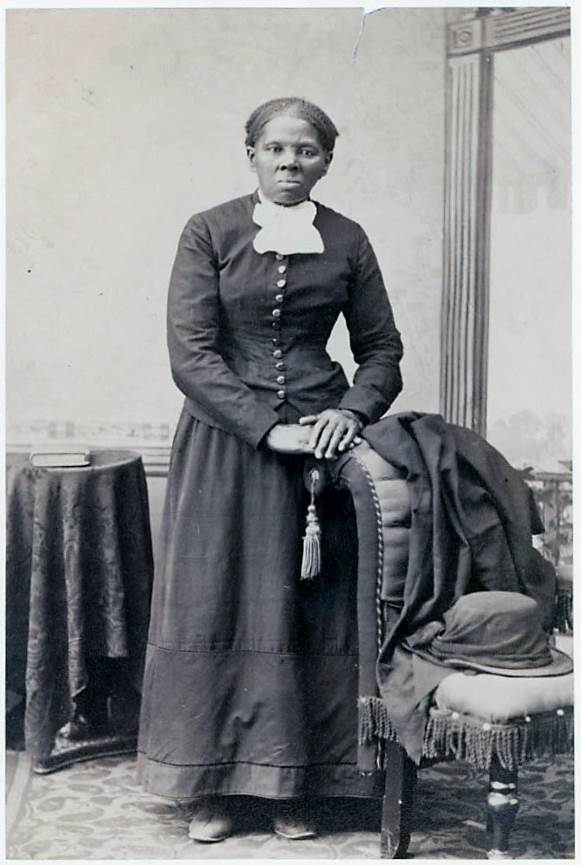
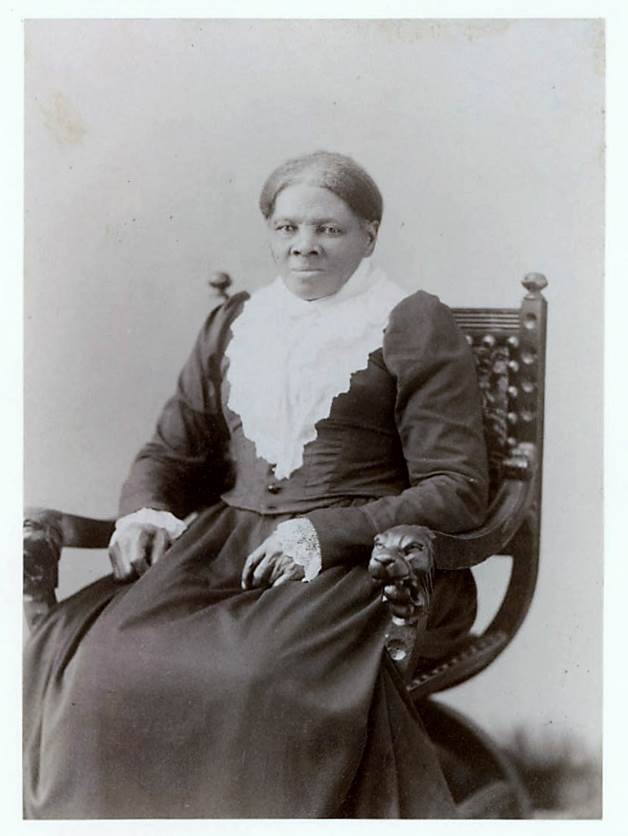
Unfortunately (but perhaps unsurprisingly) I didn’t find much. We do have three photographs of Tubman in our collection of Portraits of American Abolitionists, one from 1886 and two taken in 1906, when she was in her eighties.


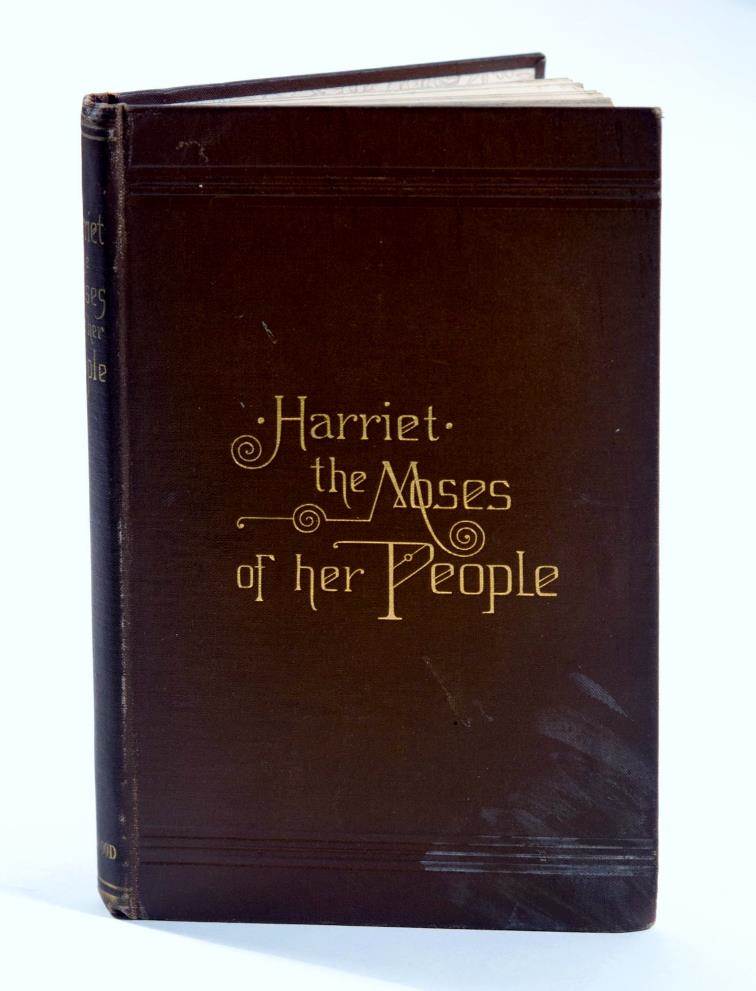
We also hold a copy of Sarah H. Bradford’s 1886 biography, Harriet, the Moses of Her People, a second edition and revision of Bradford’s 1869 Scenes in the Life of Harriet Tubman. Both books were written from personal interviews with Tubman, who was, by all accounts, illiterate all her life.


But when I looked at manuscript collections, I turned up only two passing references to Tubman, neither of which mention her by name. Both appear in the correspondence of John A. Andrew, the famous Civil War governor of Massachusetts. Sparse in content, these particular letters are important and intriguing primarily because of context.

First, some background. According to Bradford, “In the early days of the war, Governor Andrew of Massachusetts, knowing well the brave and sagacious character of Harriet, sent for her, and asked her if she could go at a moment’s notice, to act as spy and scout for our armies, and, if need be, to act as hospital nurse, in short, to be ready to give any required service to the Union cause.” (pp. 93-94)

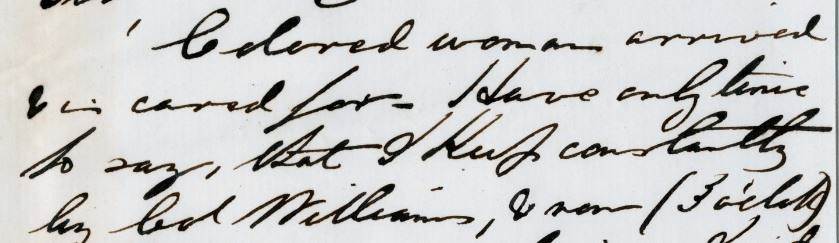
It looks like the two letters in our collection document Tubman’s trip south from Boston as she embarked on this espionage mission. Both were written by Col. Frank E. Howe in New York, formerly a member of Gov. Andrew’s staff. The first dates from 10 January 1862 and begins: “Colored woman arrived & is cared for.”


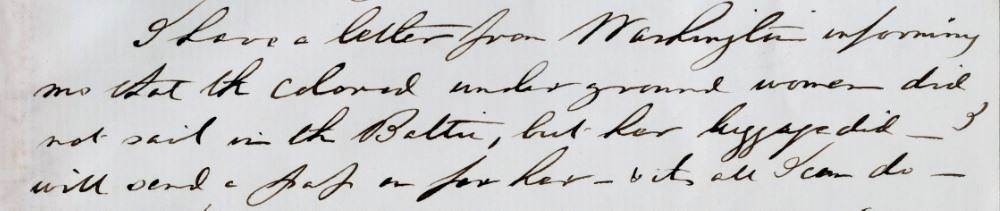
On 21 January 1862, Howe wrote to Andrew again, this time marking his letter “Confidential.” After discussing other matters, he said: “I have a letter from Washington informing me that the colored underground woman did not sail in the Baltic, but her luggage did – will send a pass on for her – & its all I can do.”


Subterfuge may have been the reason Howe didn’t use Tubman’s name. Presumably, she was traveling through New York and Washington to points south. Abolitionist Franklin B. Sanborn later confirmed: “In 1862, I think it was, she went from Boston to Port Royal, [S.C.] under the advice and encouragement of Mr. Garrison, Governor Andrew, Dr. Howe, and other leading people.” (Bradford, pp. 136-137)

I’d be surprised if there weren’t more references to Harriet Tubman buried in other manuscript collections here at the MHS, but unfortunately item-level subject access to our vast holdings is impossible. I found these two letters in Andrew’s papers because of an index to the collection created 35 years ago and encoded as part of the online guide. We hope our intrepid researchers will uncover more!


Margaret Russell’s Diary, April 1916

By Anna Clutterbuck-Cook, Reader Services

Today, we return to the line-a-day diary of Margaret Russell. You can read previous installments here:

January.

February.

March.

April of 1916 continues to be cold, with Margaret Russell reporting snow and cold temperatures throughout the month — although on an April 25th drive to Swampscott she notes “things coming up well.” Indeed, the messy spring weather does not seem to curtail Margaret’s mobility as she drives to Swampscott, Rowley, and Fairview, walks in the Arnold Arboretum, and takes a short trip to New York City by train.

April is also marked by more domestic matters. Margaret notes attendance every Sunday at the Episcopal Cathedral Church of St. Paul, on Tremont Street overlooking the Boston Common; during the week leading up to Easter Sunday she attends additional services every evening at five. Margaret’s April also sees a sobering number of deaths: “Mary Russell died at three,” “To see Annie whose brother Egerton W- died yesterday,” “Mrs. Wentworth’s funeral at 10.” Perhaps because of this steady stream of passings, Margaret also takes care to note more happy life events: “Went to see Perry to hear about wedding yesterday,” “Minnie Ames engaged to L. Frothingham.”

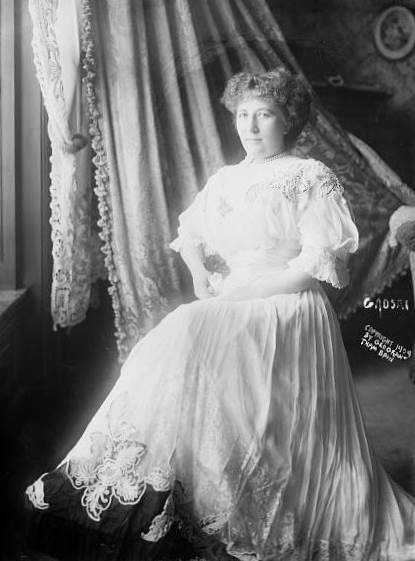
In the midst of these briefly recorded yet significant transitions in others’ lives, Margaret also continues her intense social schedule of club activities, musical performances, botany lessons, and lectures on unidentified topics. Shortly after Patriot’s Day (“holiday”) she attends a performance of Wagner’s Die Meistersinger von Nürnberg, “splendidly given” by a cast that included soprano Johanna Gadski (1870-1932) and Johannes Sembach (1881-1944), both on tour from Germany.

With a view across the first four months of the year, as readers of Margaret Russell’s diary it is becoming steadily clearer exactly how deeply embedded in the upper crust of Boston’s elite society Margaret was.


* * *

April 1916

1 April. Saturday – Walked for errands. Lunched early & went out to see Mrs. Haddes. Lovely warm day.

2 April. Sunday – Early service. Miss A- & I walked through Arboretum & back to Brookline. Lunched at H.G.C’s. Mary Russell died at three. Family to dine.

3 April. Monday – Hospital meeting – [illegible] lunched at Marian’s. Went to see Aunt Emma & Mary Amory.

4 April.Tuesday – Drove Miss Lamb out to funeral which was at the farm. Not many people & all arranged like Harry’s.

5 April. Wednesday – Mrs. Ward’s lecture.

6 April. Thursday – Meeting of M.G.H. Comm. Went for errands. Lunch club at Annie’s. To Dr. Crockett. Out to see Ellen at R[illegible].

7 April. Friday – Went to Swampscott in A.M. Concert – [illegible] – To see Annie whose brother Egerton W- died yesterday.

8 April. Saturday – Went to N. Y.  at 10. Morning did errands – Kate is at Colony Club & we dined together.

9 April. Sunday – Snowing. Went to hear Dr. Parkes. After lunch tried to see Annie Lew. Dined at Mrs. West Roosevelt ^also [illegible]. Went to Mahler symphony. Very nice.

10 April. Monday – Mrs. Wentworth’s funeral at 10 [illegible] chapel. Walked back to club. Home on 10 o’clock. Found Mama very well.

11 April. Tuesday – Walked downtown. Interesting talk at Chilton by Miss Burke. Lunched at Marians. Went to Cambridge & saw Mary Amory.

12 April. Wednesday – Went to see Annie. Took 12.25 for Rowley in time for lunch.

13 April. Thursday – Lovely spring day with lots of birds. Elizabeth & I met to walk. After lunch drove to Fairview & bought a lot of things.

14 April. Friday – E & I met to walk & see the chickens. Raining & then heavy snow. Home after lunch. Still snowing.

15 April. Mrs. Tysen’s reading – drove to Swampscott.

16 April. Sunday – Church at Cathedral with Miss. A- lunch at H.G.C’s – Went to see Perry to hear about wedding yesterday. Edith & E. Ballantine.

17 April. Monday – Dressmaker – Mary  – Lunch with Marian. Botany lesson & a drive. Church at five.

18 April. Tuesday – To see Dr. Haskell. Church at five. The Rev. George Douglas is preaching this week.

19 April. Holiday – Went to see Mrs. Bell & S. Bradley. Botany lesson & to see Aunt Emma. Church at five.

20 April. Thursday – Dentist. Miss Harman to play. Lunch club at Rosamund’s. Lecture on Jap. gardens. Church.

21 April. Friday – Church. Concert.

 22 April. Saturday – Took flowers to Mt. Auburn & Forest Hills. Mrs. Tysen’s. Went to hear Meistersinger with Edith. Splendidly given. Gadski & Sembach.

Johanna Gadski (1872 – 1932), German opera singer, soprano


23 April. Easter – Raining and cold. Church & to see Parkmans. Lunched at H.G.C’s. Family to dine.

24 April. Monday – Meeting of the CD’s [Colonial Dames] going to Wash. Mary. Lunch with Marian. Botany lesson at Cambridge. Still raining.

25 April. Tuesday – Went to Swampscott, things coming up well. Mr. Gibson’s funeral at Mt. Auburn. Back to Tuesday Club. Minnie Ames engaged to L. Frothingham.

26 April. Wednesday – Mrs. Ward’s lecture & then Botany lesson. Mayflower [illegible]. meeting. Musical at Emily Morison’s. Mary Parkman’s reception.

27 April. Thursday – Eye & Ear to see Eliz. Murray & then Errands. Took a drive & went to concert at H. Bigelow’s new house. Nice day but cold wind.

28 April. Friday – Snowing hard.

29 April. Saturday.

30 April. Sunday.

* * *

If you are interested in viewing the diary in person in our library or have other questions about the collection, please visit the library or contact a member of the library staff for further assistance.

*Please note that the diary transcription is a rough-and-ready version, not an authoritative transcript. Researchers wishing to use the diary in the course of their own work should verify the version found here with the manuscript original.


“Thomas Jefferson Survives”: The Last Letters of Jefferson and Adams

By Amanda Norton, Adams Papers

As we celebrate Thomas Jefferson’s 273rd birthday today, we also celebrate his renowned friendship with John Adams. Revolutionary partners turned bitter political enemies, they reconciled in their retirement, and their final words to each other, written just months before their coincident deaths on July 4, 1826, serve as a fitting capstone to a correspondence that has so justly become famous.

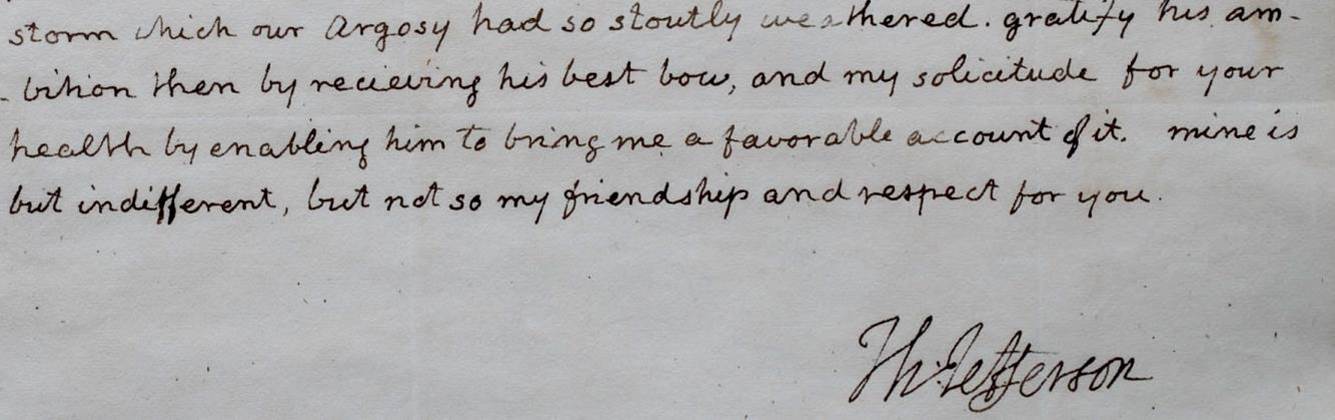
Writing to “Ex-President Adams” on March 25, Jefferson introduced his grandson, Thomas Jefferson Randolph, who would deliver the letter when he visited Boston, noting that Randolph “would think he had seen nothing were he to leave it without having seen you.”

In this final letter, Jefferson poetically contrasted the present age with the one he and Adams had lived through:

“Like other young people, he wishes to be able, in the winter nights of old age, to recount to those around him what he has heard and learnt of the Heroic age preceding his birth, and which of the Argonauts particularly he was in time to have seen. it was the lot of our early years to witness nothing but the dull monotony of Colonial subservience, and of our riper ones to breast the labors and perils of working out of it. theirs are the Halcyon calms succeeding the storm which our Argosy had so stoutly weathered.”


Replying on April 17, Adams opened with his characteristic good-natured humor:

“Your letter of March 25th. has been a cordial to me, and the more consoling as it was brought by your Grandsons Mr. Randolph and Mr. Coolidge. every body connected with you is snatched up, so that I cannot get any of them to dine with me, they are always engaged— how happens it that you Virginians are all sons of Anak, we New Englanders, are but Pygmies by the side of Mr. Randolph…. Your letter is one of the most beautiful and delightful I have ever received.”

Adams, however, was never quite as optimistic as Jefferson was and did not entirely concur with the characterization of the present age as “Halcyon calms.” Seeing the attacks levelled on his son John Quincy’s presidency, Adams viewed the political landscape cynically: “Public affairs go on pretty much as usual, perpetual chicanery and rather more personal abuse than there used to be…. Our American Chivalry is the worst in the World. it has no Laws, no bounds, no definitions, it seems to be all a Caprice.”


Adams could only be so pessimistic, however. In spite of the wide differences between the men, the friendship between Adams and Jefferson had endured, as had the independence they fought for. And on that Jubilee when both Adams and Jefferson passed, John Quincy Adams recorded in his diary that his father’s last words were “Thomas Jefferson survives.”

Adams was without a doubt correct that Jefferson would survive as a monumental figure for the nation. If you want to learn more about the Jefferson that survived beyond the statesman, there’s still time to experience The Private Jefferson here at the MHS.
Correcting the Record

By Susan Martin, Collection Services

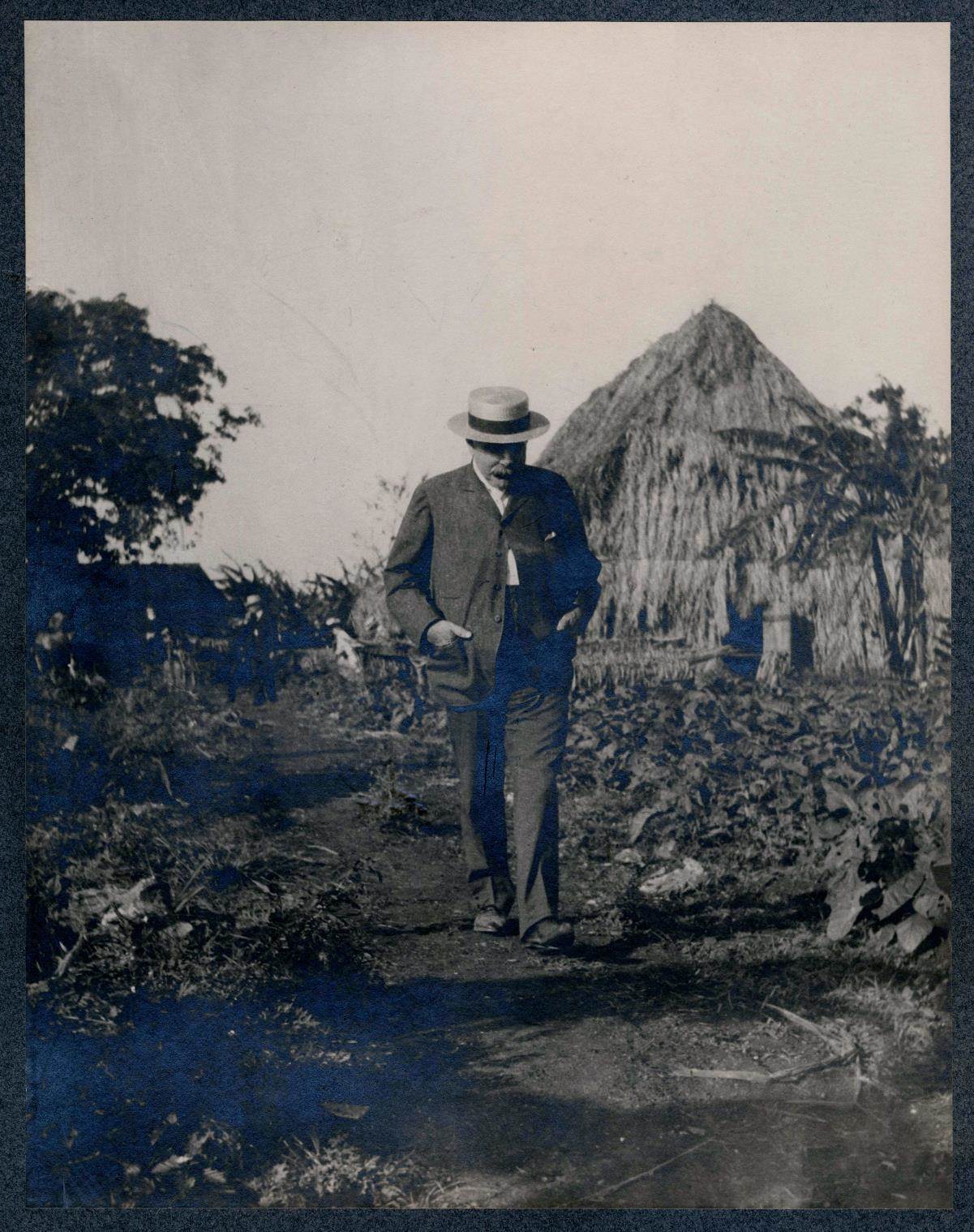
When searching for MHS material about Cuba to coincide with President Obama’s recent trip, I ended up on the trail of another mystery, this time related to the identification of a photograph. In the Winthrop Murray Crane photographs, I found an image identified as Theodore Roosevelt in Havana, Cuba, 2 March 1904. But there was a problem: Roosevelt was serving as president in 1904. News outlets had been consistently reporting that Obama was only the second sitting U.S. president to visit Cuba, Calvin Coolidge being the first. It seemed unlikely that I’d uncovered a previously unknown trip to the island by Theodore Roosevelt!

Here’s the photograph in question. The subject, whoever he is, strolls pensively through the tobacco fields.


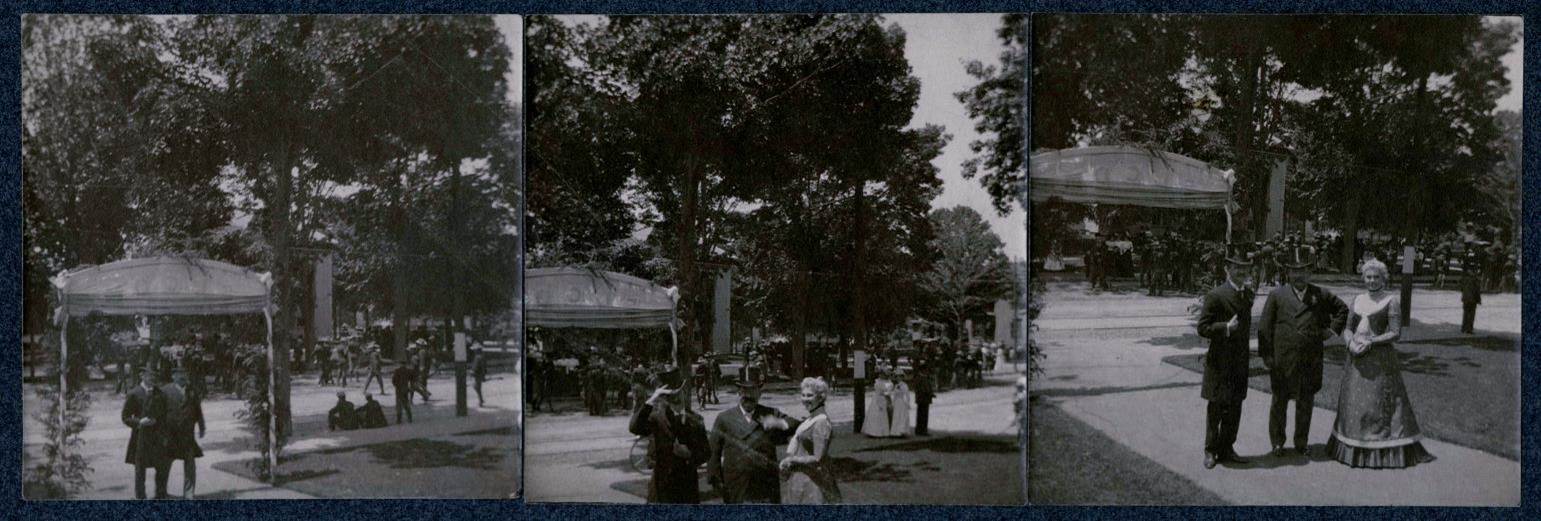
In the interests of full disclosure, I’ll admit that I was the one who processed this collection as an MHS intern over ten years ago. I don’t remember what I based my identification on, but it wasn’t far-fetched; Crane was a Republican politician and close friend of Roosevelt’s. In fact, the very same collection includes three photographs of Crane and Roosevelt in Framingham, Mass. in 1902, during Crane’s tenure as governor of Massachusetts.


The puzzling 1904 photograph was apparently sent to Crane by a man named Arthur Plumb, who wrote on the back: “Compliments of Arthur W. Plumb, Havana Cuba March 2d 1904.” No mention of Roosevelt, and the photograph may have been taken at any time and only given to Crane that year. So both subject and date were questionable. (Probably the absence of Roosevelt’s characteristic pince-nez spectacles should have been a clue.)

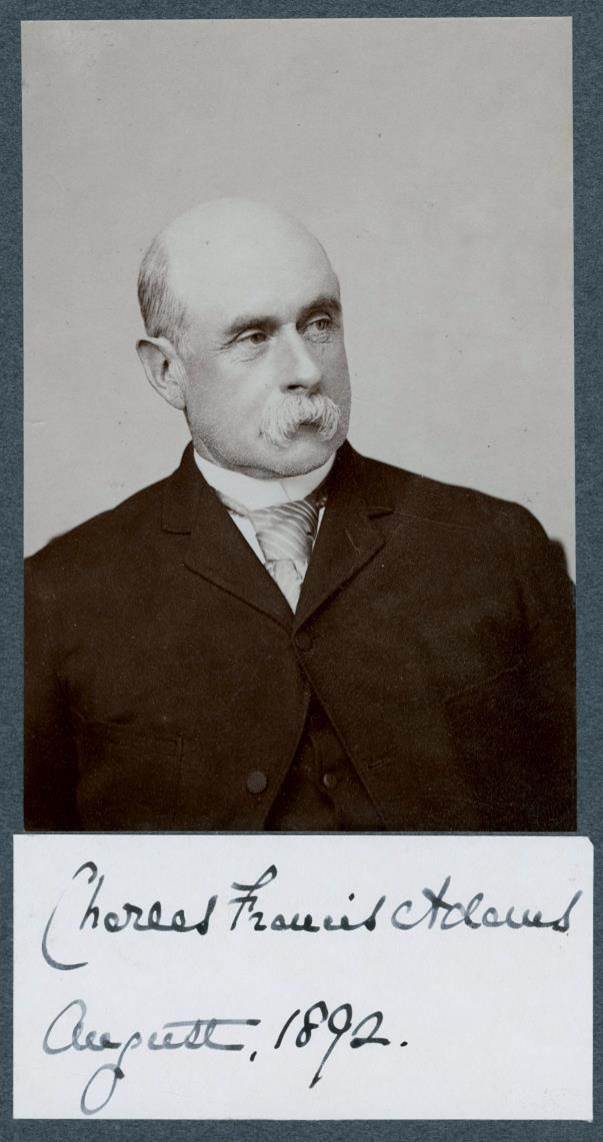
Thankfully we have some great resources here at the MHS library. One of them is our resident walking encyclopedia, Peter Drummey (otherwise known as the Stephen T. Riley Librarian). He immediately identified the subject of the photograph as Charles Francis Adams (1835-1915), great-grandson of John Adams and former president of the Massachusetts Historical Society. Adams was in Cuba in 1890, which may have been when the photograph was taken. I compared it to others in our holdings. Here’s Adams as he appears in our collection of portraits of MHS members, sporting his trademark bushy white mustache. His jacket is even buttoned the same way!


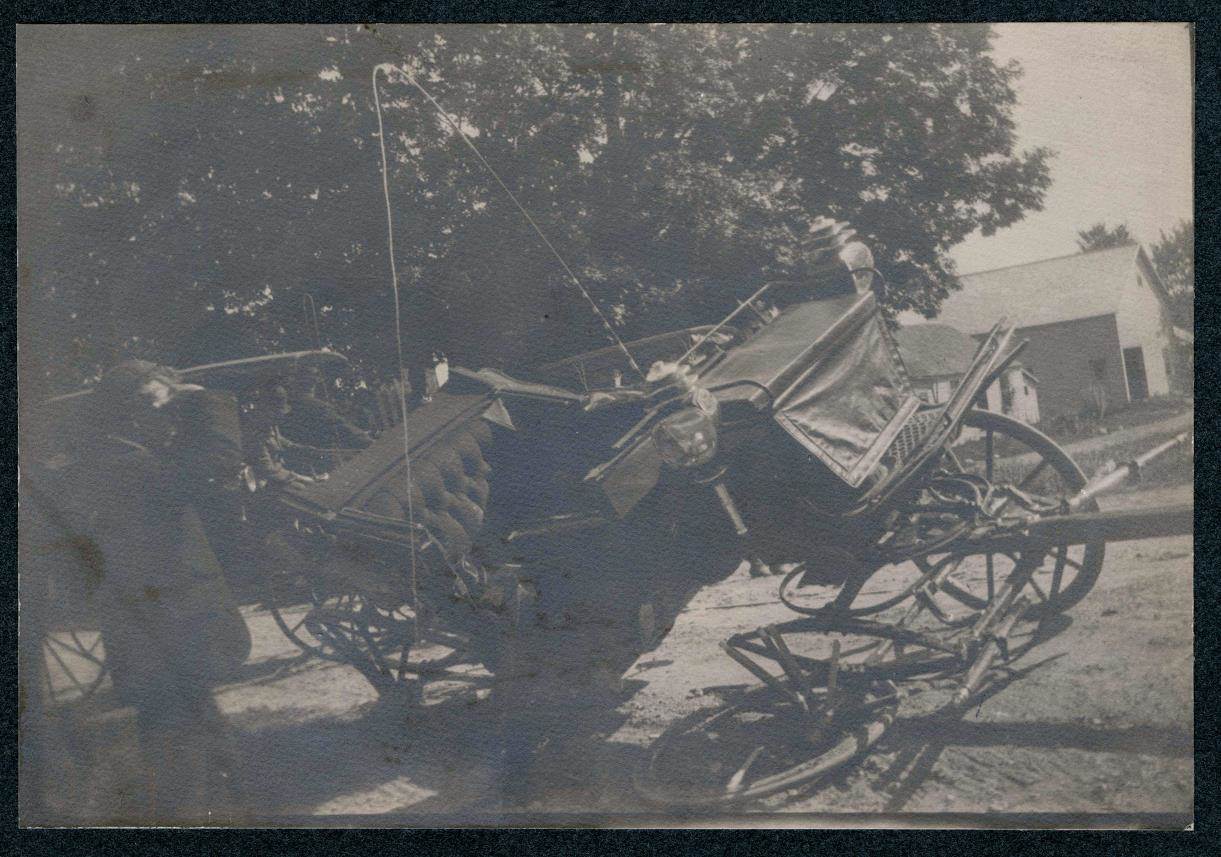
I’ll close with an interesting, though unrelated, anecdote about Governor Winthrop Murray Crane documented in his papers and photographs. On 3 September 1902, Crane and Roosevelt were in a dramatic traffic accident in Pittsfield, Mass., when their horse-drawn carriage was hit by a streetcar. Unfortunately a man named William Craig died in the accident, becoming the first Secret Service agent killed in the line of duty. Here is a photograph of the damaged carriage.


April Fools’ Day, 1864: The Cartoon Antics of Thomas Nast

By Shelby Wolfe, Reader Services

Happy New Year!

…April Fool! Though, according to the Julian calendar developed by Julius Caesar, April 1 was designated the first day of the year. Some believe that when Pope Gregory XIII instituted a new calendar in 1564 with January 1 as the start of the new year, adherents of the Gregorian calendar ridiculed the old-timers who continued to celebrate April 1 as New Year’s Day, labelling them “fools” and heaping pranks upon them. Whether or not this is the actual origin of April Fools’ Day, this tradition of practical jokes and pranks continues today, though in harmless fun and enjoyment for all (hopefully).


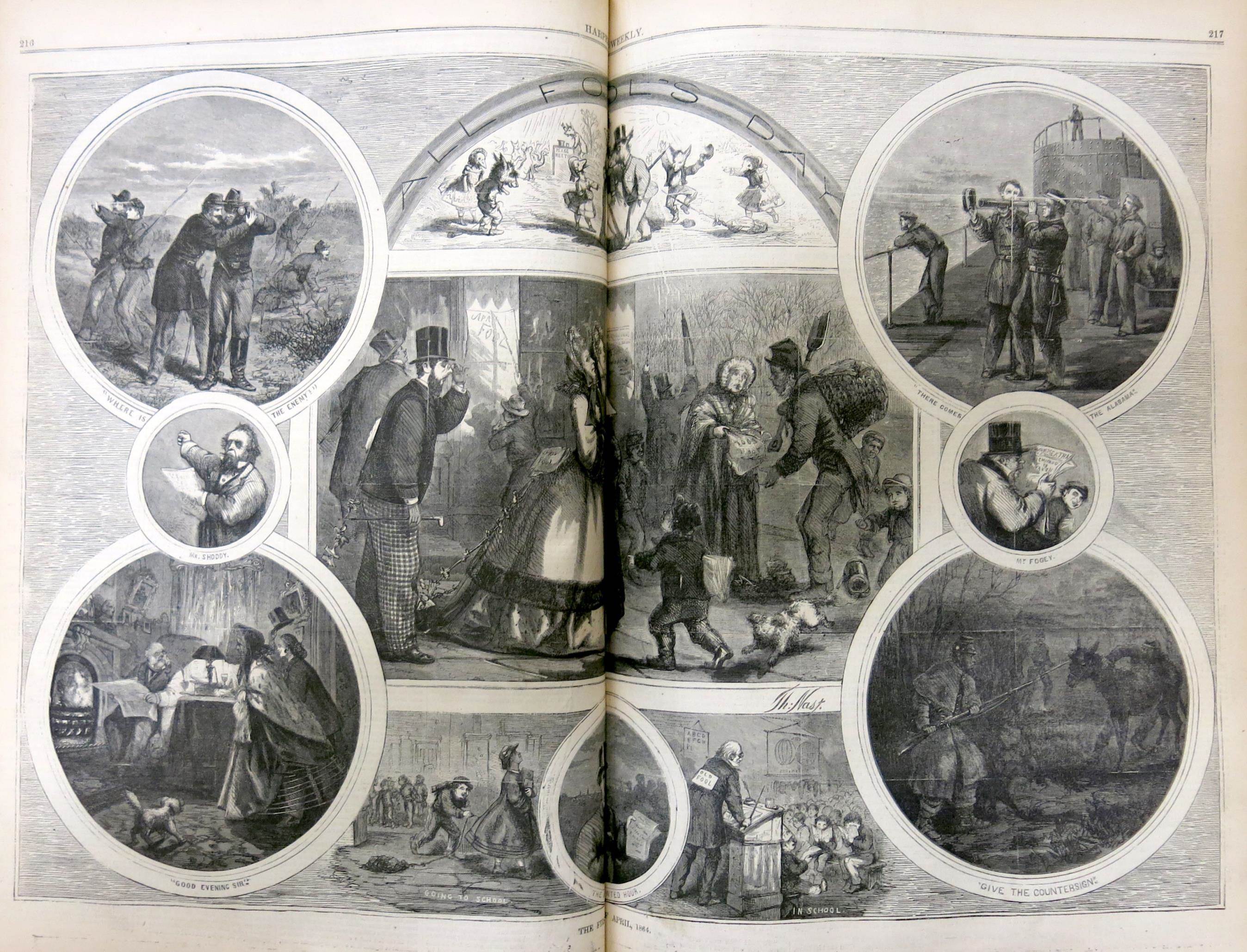
Printed in the April 2, 1864 issue of Harper’s Weekly, Thomas Nast’s depiction of “The First of April, 1864incorporates political commentary, Civil War satire, and general foolery. In the top insets, we see the antics of Union soldiers fooling their fellow men regarding the Confederate Army’s nearby whereabouts (top left), and Union sailors likewise blocking their comrades’ view of the enemy (top right). The bottom left inset depicts a husband and wife who have switched appearances, the wife sporting a coat, top hat, and mustache while her husband wears a dress and bonnet. In the center images, people have attached signs and strings with objects to others behind their backs. Nast gives the viewer a sense of his feelings for the Peace Democrats of the North, who were proponents of a cease-fire and negotiated settlement with the Confederacy, by depicting them as geese and donkeys in the top center image.


Thomas Nast, known as the “Father of the American Cartoon,” was a German-born American whose politically-charged cartoons wielded considerable influence over public opinion. His cartoons, many published in Harper’s Weekly, helped bring down the infamous “Boss” Tweed of Tammany Hall and influenced the elections of Abraham Lincoln in 1864 and Ulysses S. Grant in 1868 and 1872. Nast is also noted for creating the Republican Party symbol of the elephant and the modern depiction of Santa Claus.

To view this woodcut print in greater detail, visit the library in person and see if you can decipher more April Fools’ Day trickery in these scenes!

Margaret Russell’s Diary, March 1916

By Anna J. Clutterbuck Cook, Reader Services

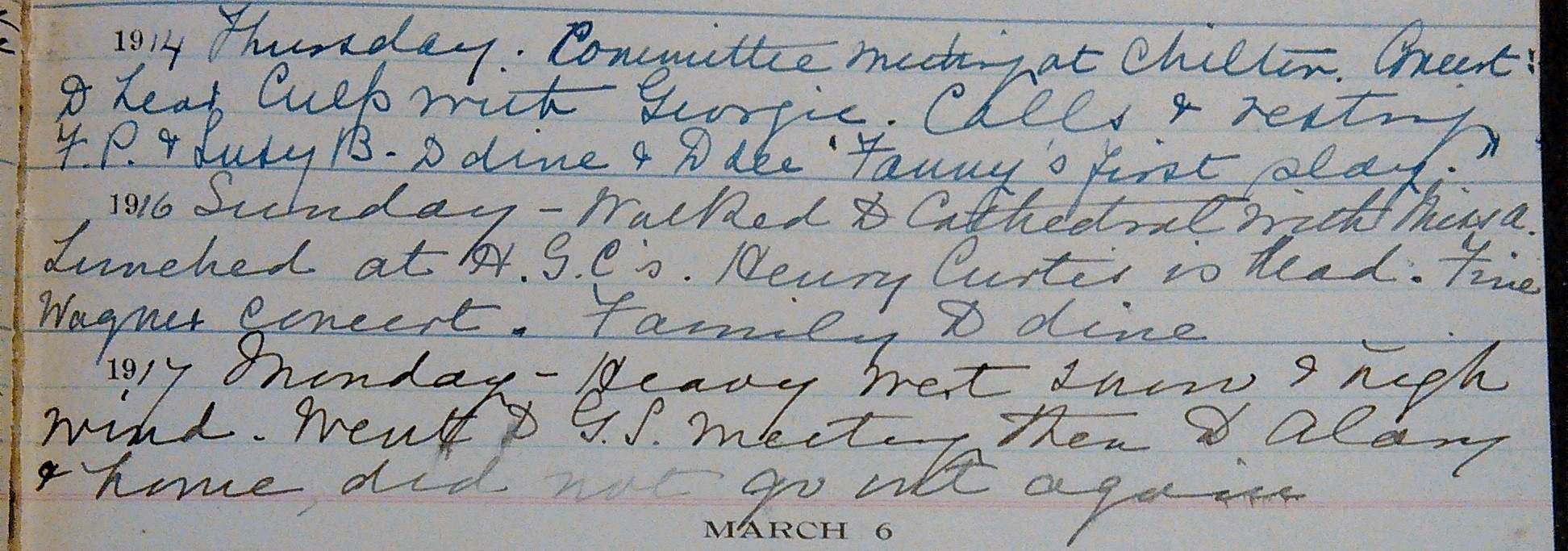
Today, we return to the line-a-day diary of Margaret Russell. If you have missed previous installments of the diary you can find January (along with a brief introduction to the series) and February in the blog archive. In contrast to her busy travel schedule in February, Margaret Russell remained in Boston throughout the month of March. The weather continued to be quiet wintery, with Margaret often noting snow and “blowing” wind. Her days were spent socializing with friends, charity work, and cultural activities such as visits to the museum and attendance at lectures.

One of the things that can be most jarring or haunting about reading a line-a-day diary is the way in which meaningful events are sandwiched within otherwise mundane entries. For example, on March 5th Margaret writes that “Henry Curtis is dead” between noting where she ate lunch and how “fine” the Wagner concert she attended that day was.


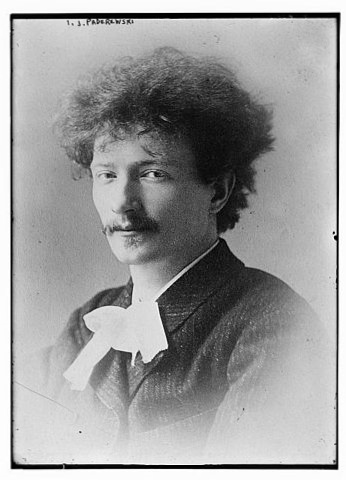
And even though Margaret spent the month of March in Boston, she was not wanting for high-profile performers and speakers; among the lectures she attended was a speech by former President William Howard Taft and among the concerts she attended were two performances by pianist Ignacy Jan Paderewski (1860-1941) who three years later would become prime minister of Poland.


* * *

March 1916

1 March.* Wednesday – Mrs. Ward’s lecture. Lunched at Club. Art Museum talk. Home to rest. Second lecture of coal by Prof. Jeffrey with Miss A–.

2 March. Thursday. M.G.H. Meeting. Walked down to see Miss Cannon. First [illegible words] England – Individualism. Skating Carnival with Parkman.

3 March. Friday. To Mrs. Dalton’s on C.D. business. Beautiful concert. To hear Pres. Taft speak at Red Cross in the evening.

4 March. Saturday – Mrs. Tyson’s reading. Paid calls & went to musical at Miss Mason’s.

5. March. Sunday – Walked to Cathedral with Miss A. Lunched at HGC’s. Henry Curtis is dead. Fine Wagner concert. Family to dine.

6 March. Monday. Hospital meeting. [illegible word]. Went to Mt. Auburn with CPC for funeral. Botany lecture.

7 March. Tuesday – snowing again. Lunched at Mrs. Mattey’s. Went to hear Mrs. Dupriez on Belgium. Very painful.

8 March. Wednesday – Church. Chilton. Had lunch at Miss Lamb’s. Art museum. Snowing hard.

9 March. Thursday – Chilton meeting. Am back as Gov. Lunch club at Mrs. Hunnewell’s. Power lecture. Dined at Mrs. Crafts.

10 March. Friday – Snowing again. Mrs. W. Charles came to play. Concert with Paderewski. Had dinner of 22 for Ellen at Chilton. Dancing class afterwards.

Ignacy Jan Paderewski

11. March. Saturday. Mrs. Tyson’s reading. Mama sick so stayed at home with Mama. Mrs. Sears to concert as Paderewski played.

12 March. Sunday. Church. Lunched at HGC’s  Family to dine.

13 March. Monday. Errands – [illegible word] – lunched at Marian’s. Botany lesson. Thawing.

14 March. Tuesday. Ear & Eye visit in the A.M. Tuesday Club at M. Ware’s. Red Cross discussion. Had ten people to dine. Seemed pleasant.

15 March. Wednesday. Ward lecture. Lunched at Chilton. Art museum class – Snowing hard & blowing.

16 March. Thursday. Walked down town errands & church. After lunch went out to see Aunt E. Last [illegible word] lecture.

17 March. Friday – Fine day. Walked down town. Mrs. Chandler came to play. Lunch at Mrs. Jack Peabody’s. Drove out to Riverside, road good.

18 March. Saturday – 4 [illegible word] this A.M. – Mrs. Tyson’s. After lunch went down to Swampscott. Badly drifted in places but we did not suffer.

19 March. Sunday – Church to see Parkmans. Lunched at H.G.C’s. Paid calls. Found Mary R. who looks very ill. Family to dine.

20 March. Monday – Mrs. Norcross from [illegible word] Com. came by to see me & I liked her very much. Botany lesson at Cambridge. Was lecture at Mrs. Sears.

21 March. Tuesday – Eye & Ear through the A.M. Dined at the H. Burrs. Streets in awful condition.

22 March. Snowing hard & blowing again. Went out to Fogg museum where Ed. Forbes showed us the [illegible word] pictures.

23 March. Thursday – Walked for errands. Mrs. Charles to play. Lunch club at Jessie’s. Went out to see Aunt Emma.

24 March. Friday – Down town to buy typewriter & to church. Miss Ruelker to lunch & to go to concert. Went to Cambridge to see [illegible word].

25 March. Saturday – Mrs. Tyson’s reading.

26 March. Sunday Church. Lunched at Horatio’s. Family to dine. Went to see Mary Russell but there had been a sudden change.

27 March. Monday – went to walk for errands. Lunch at Marian’s. Visited the Eye & Ear.

28 March. Tuesday – Colonial Dames annual meeting but to Cambridge to lunch at Edith’s. Back to hear Miss Holinau speak at the Allens.

29 March. Wednesday – Interesting lecture from Pres. Taft. Lunched at Mrs. Allen’s with Miss Holinau. F. O. & Mrs. Hay & F. D. Cambridge concert in evening.

30 March. Thursday – Mrs. Charles to play. Went out to see Aunt Emma & there to dine. Mary Russell has had [illegible word].

31 March. Friday – Service at cathedral. Lunched at Chilton’s. Had Miss Reulker & Mrs. Bell, Mrs. Sears E & J. All went to concert. Dined at Georgie’s.


* * *

If you are interested in viewing the diary in person in our library or have other questions about the collection, please visit the library or contact a member of the library staff for further assistance.


*Please note that the diary transcription is a rough-and-ready version, not an authoritative transcript. Researchers wishing to use the diary in the course of their own work should verify the version found here with the manuscript original.


This Island, Cuba

By Susan Martin, Collections Services

After President Obama’s historic visit to Cuba, I’d like to take this opportunity to highlight some MHS material related to the island and its history. We hold a number of collections touching on the subject, including the papers of Boston-area merchants engaged in the U.S.-Cuba sugar trade during the 19th and 20th centuries. 

Foremost among these merchant families was the Atkins family. Our popular collection of Atkins family papers spans from 1845 to 1950 and consists almost exclusively of the business papers of Elisha, Edwin F., and Robert W. Atkins, as well as the records of E. Atkins & Co. The Atkins family owned a sugar plantation called the Soledad estate on the southern coast of Cuba near Cienfuegos. By the end of the 19th century, under the leadership of Edwin F. Atkins, the prosperous Soledad had grown to enormous proportions, encompassing about 12,000 acres. Five thousand acres were planted with sugar cane.


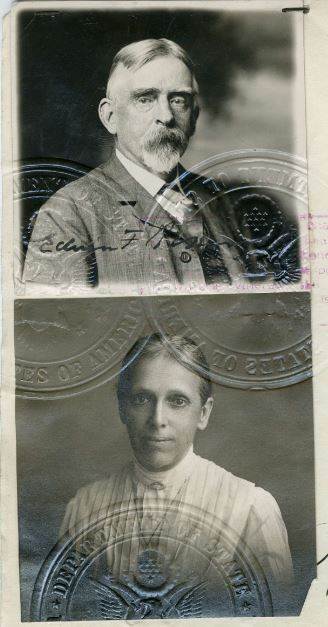
Edwin F. and his wife Katharine W. Atkins, from their Cuban passport, 1917


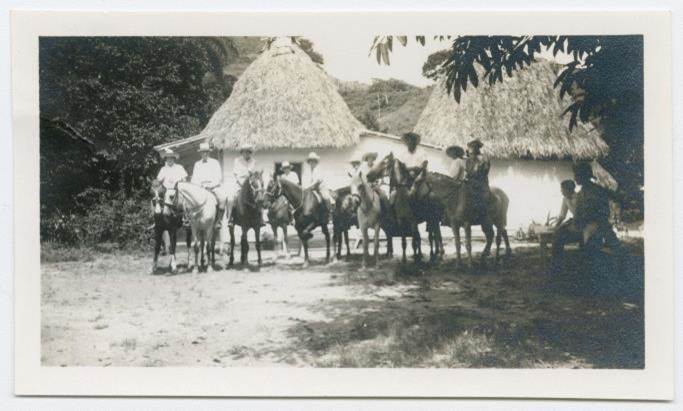
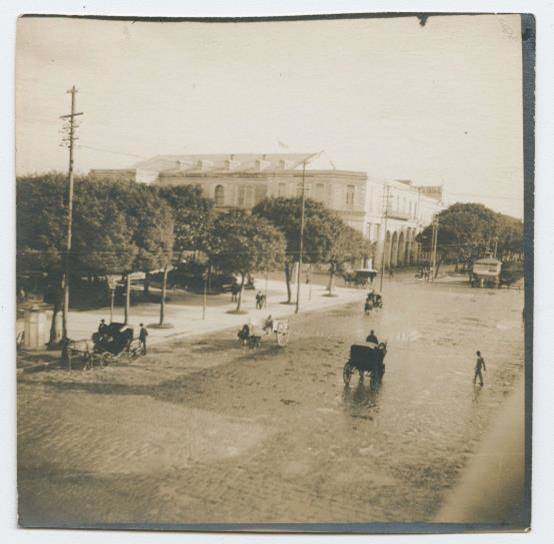
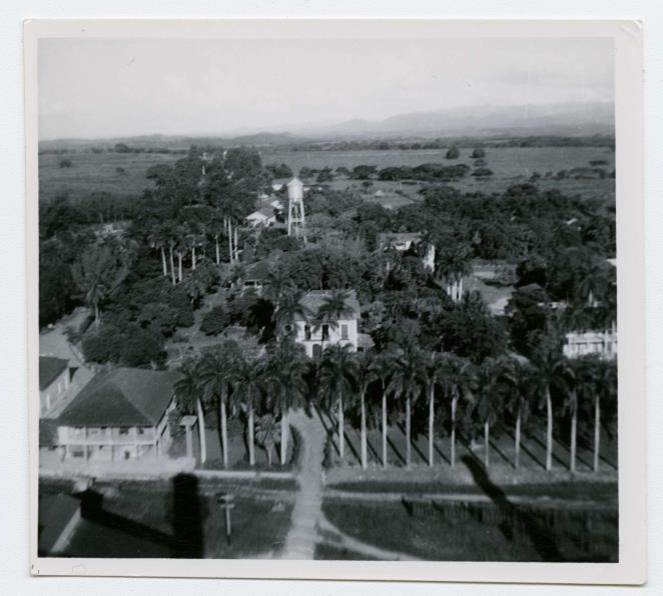
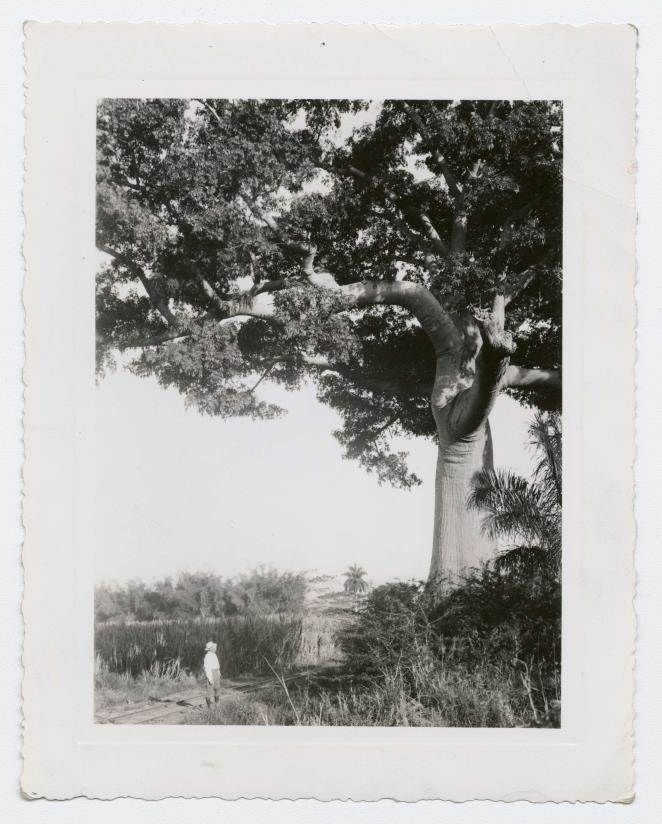
The Atkins family papers came to the MHS with hundreds of photographs depicting life on the estate, as well as scenes of Cuban cities and seaports. It’s difficult to choose from so many terrific images, but here are a few of my favorites. (All of the photographs below are unfortunately undated.)


Soledad


An outing


Cienfuegos


Havana


Havana


Soledad


A big tree!


The MHS website features a digital exhibit of select items from the Atkins family papers, or you may just want to search our website for Cuba material. Other collections related to Cuba include the papers of the Foster, Morse, and Dabney families. Bay Staters also traveled to the island as tourists, and we hold many letters and diaries written during these trips. We hope you’ll visit our library to see what we have!


The New Look of Science….260 Years Ago

By Dan Hinchen, Reader Services

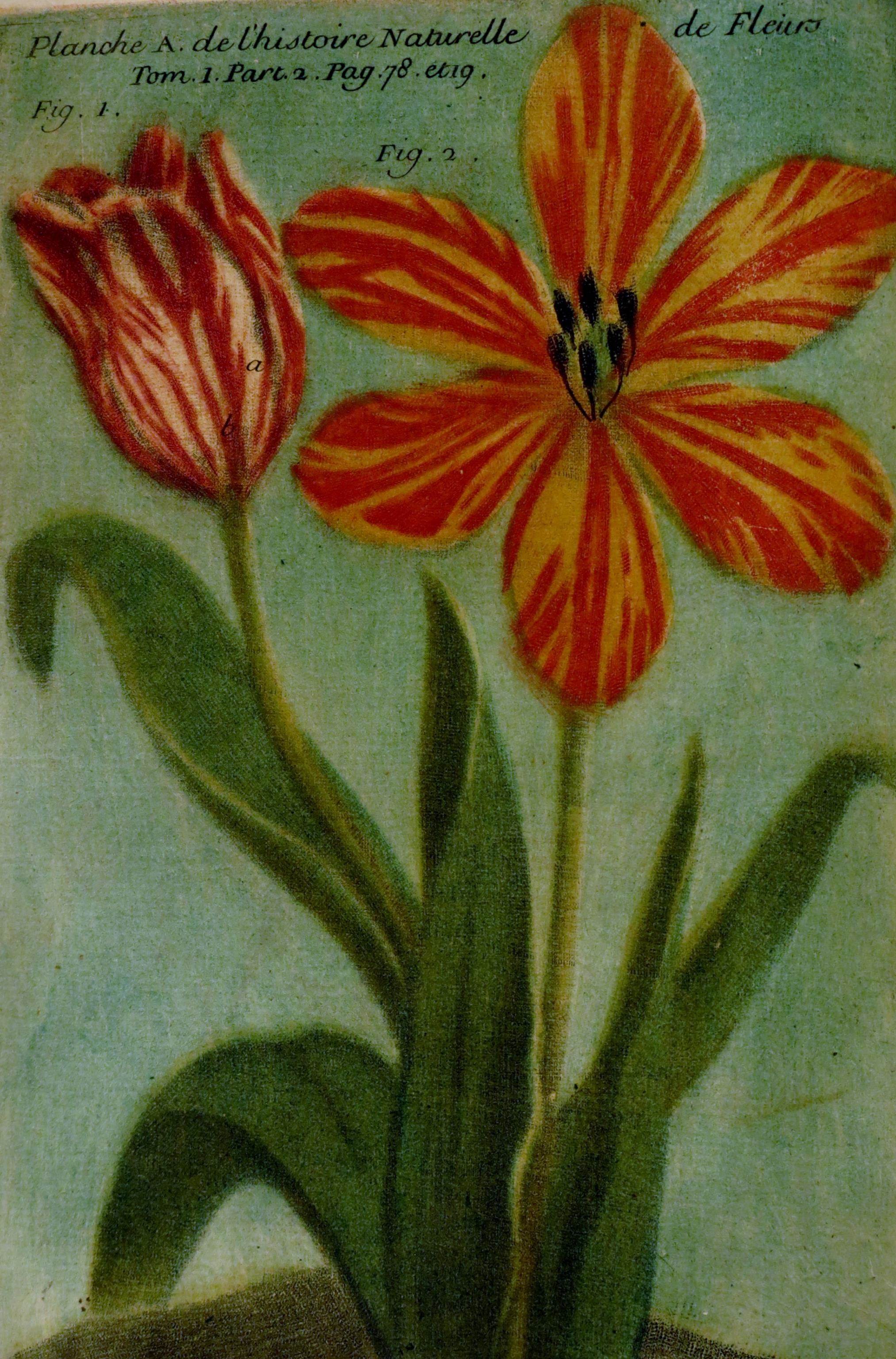
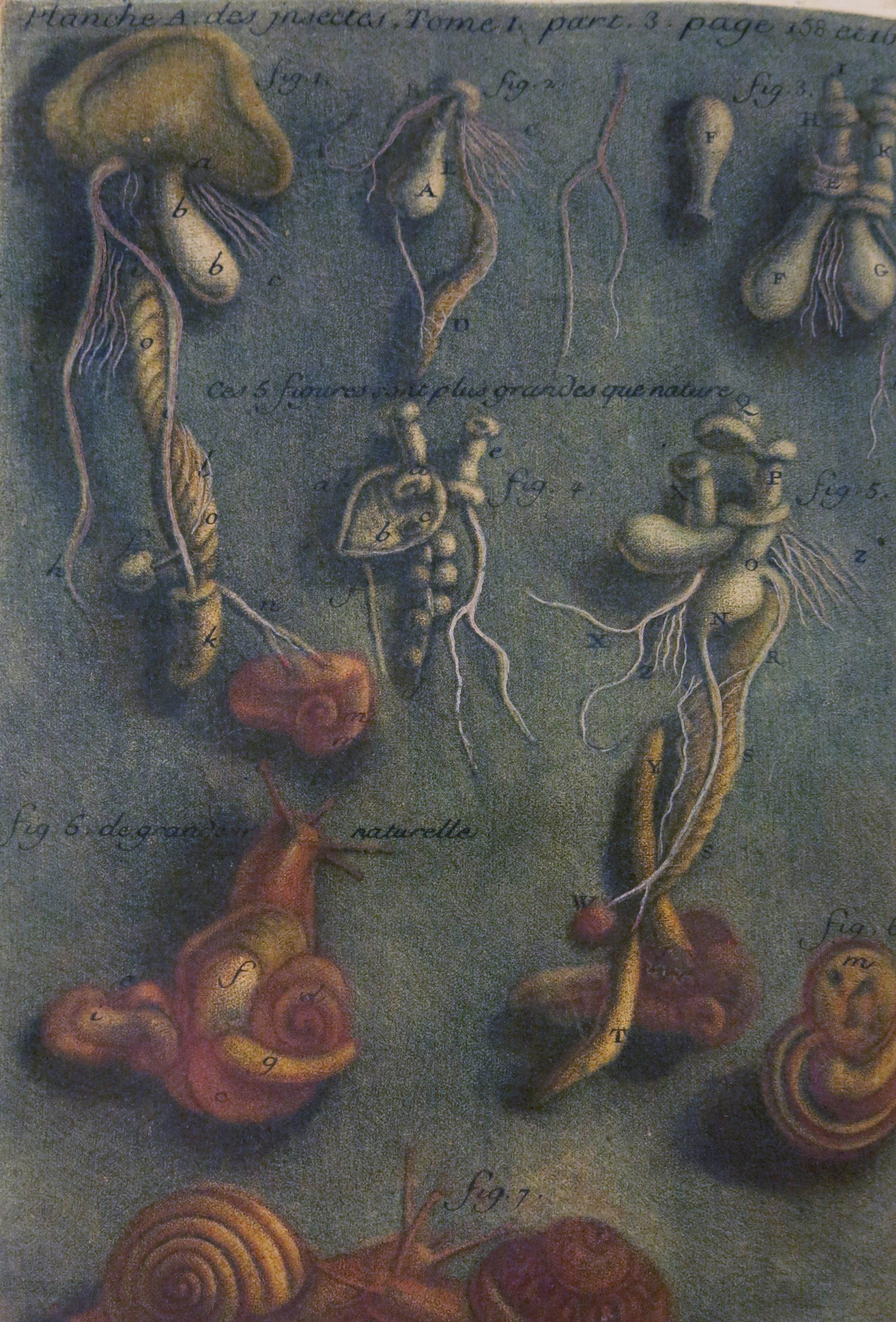
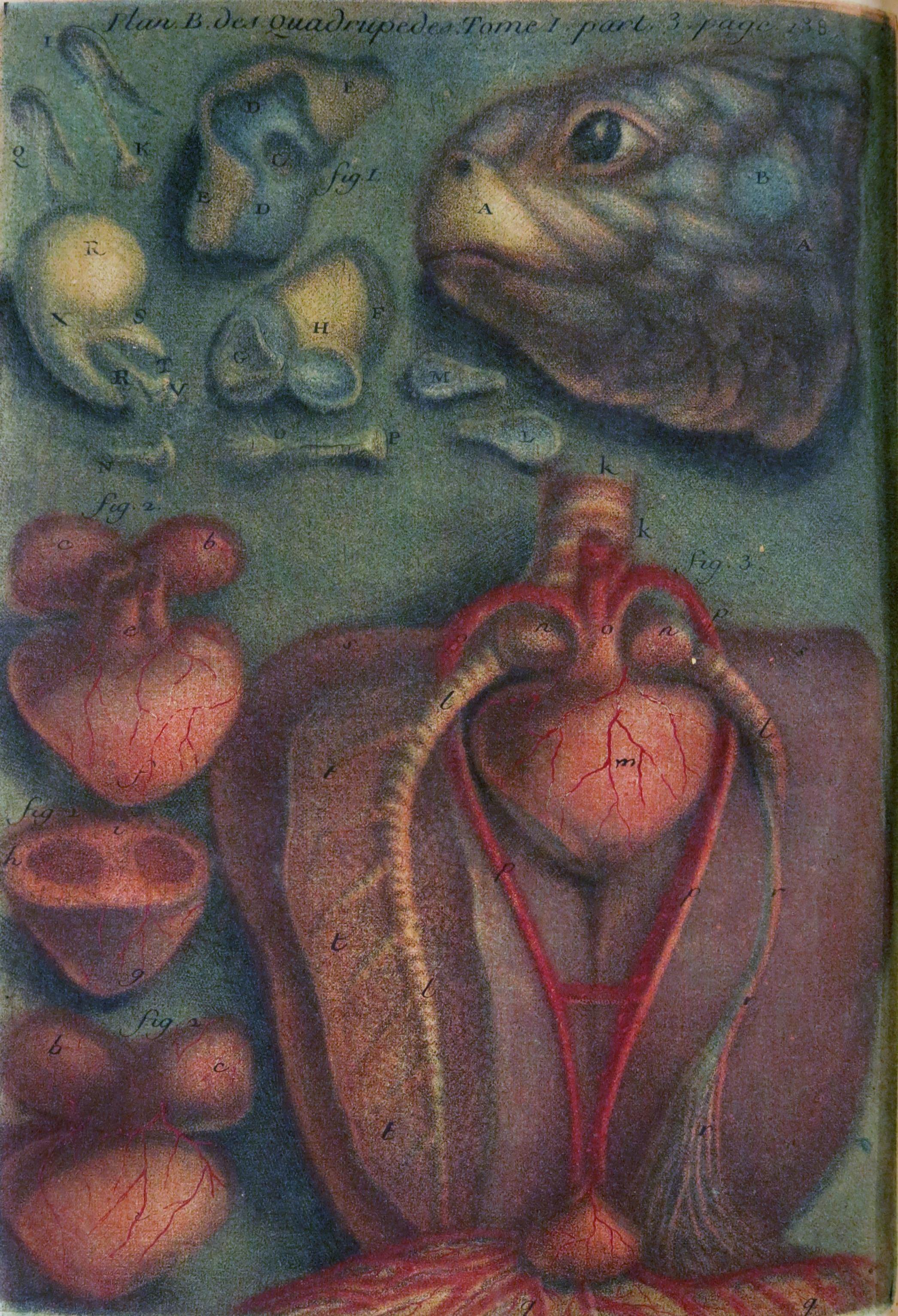
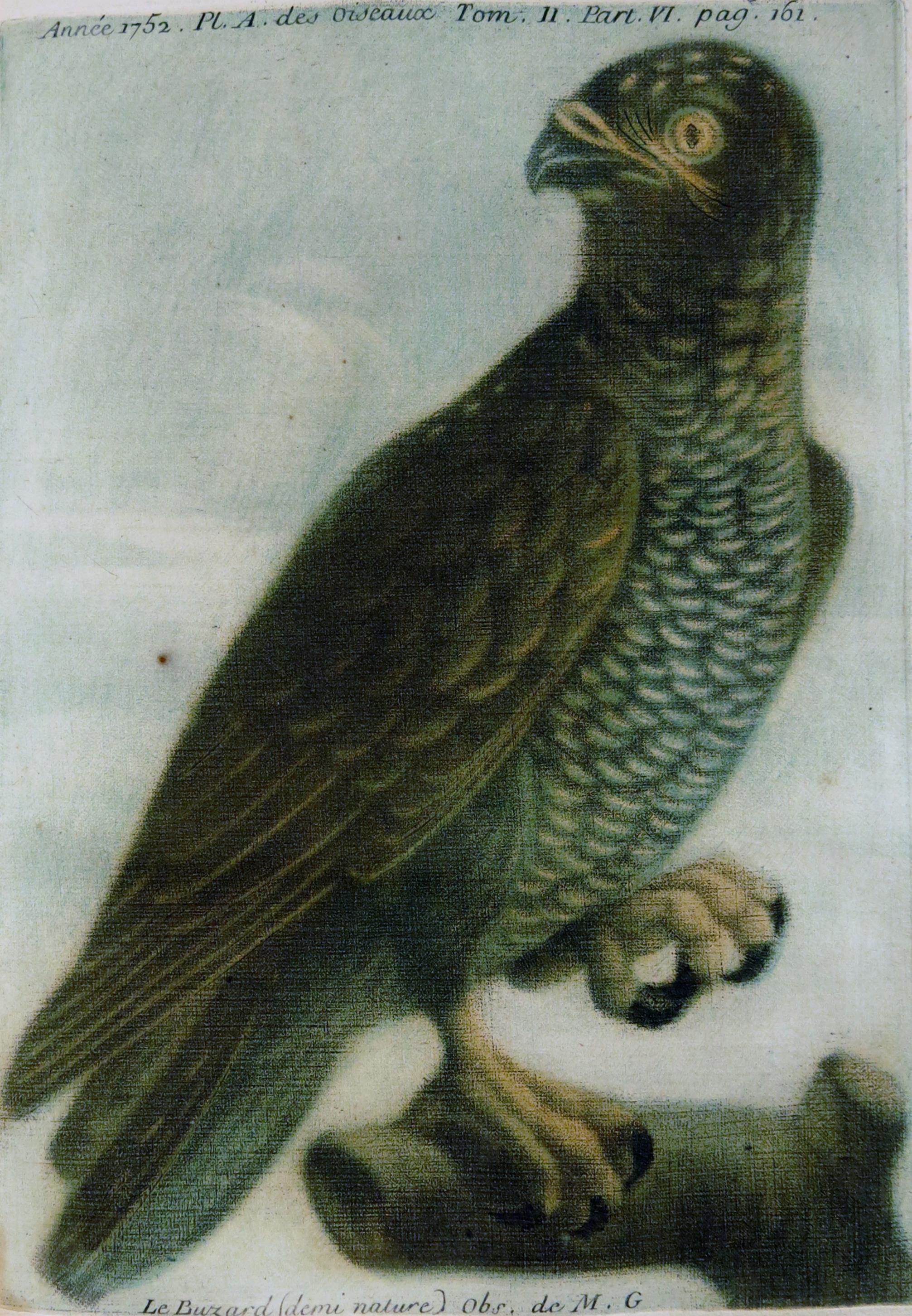
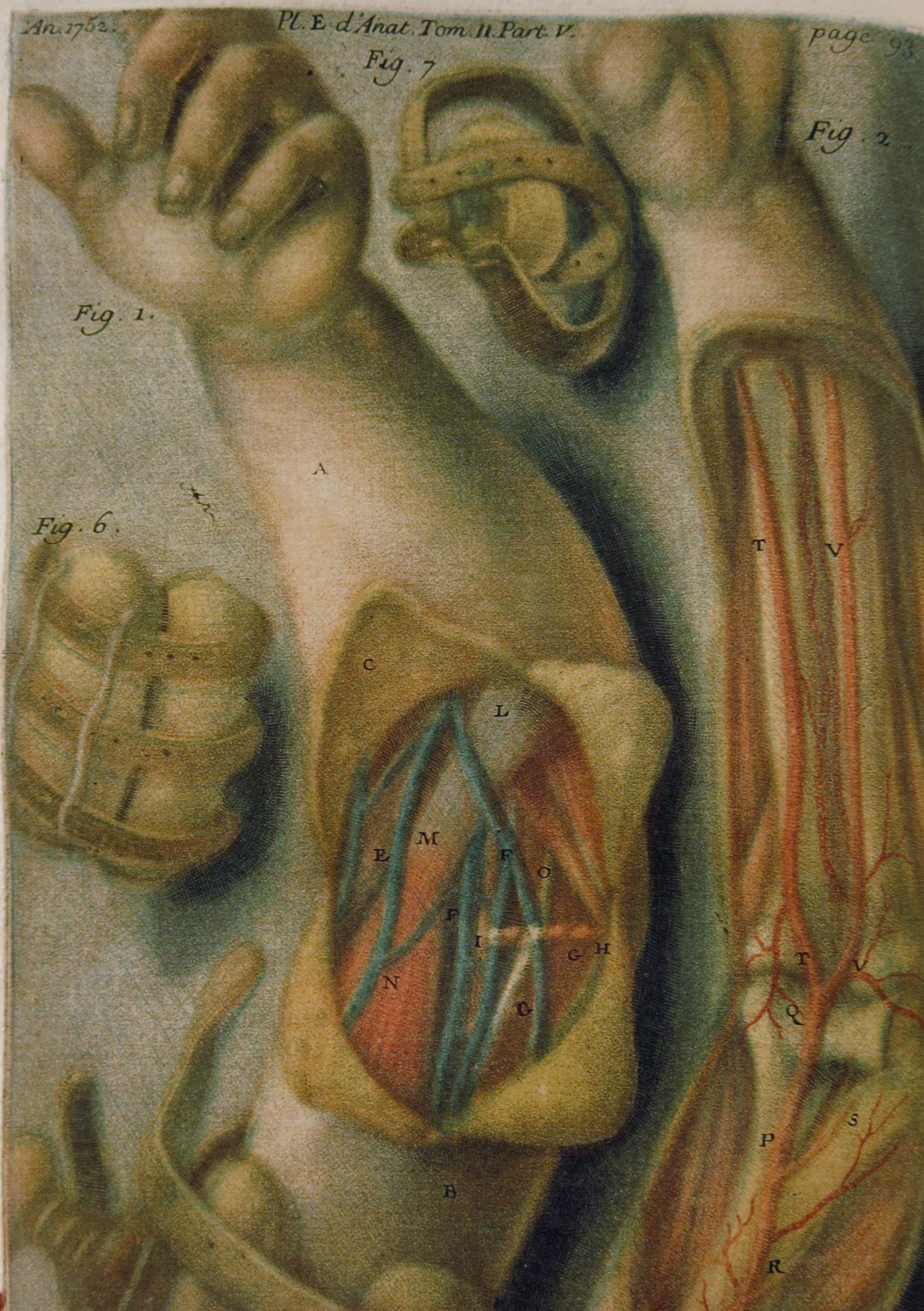
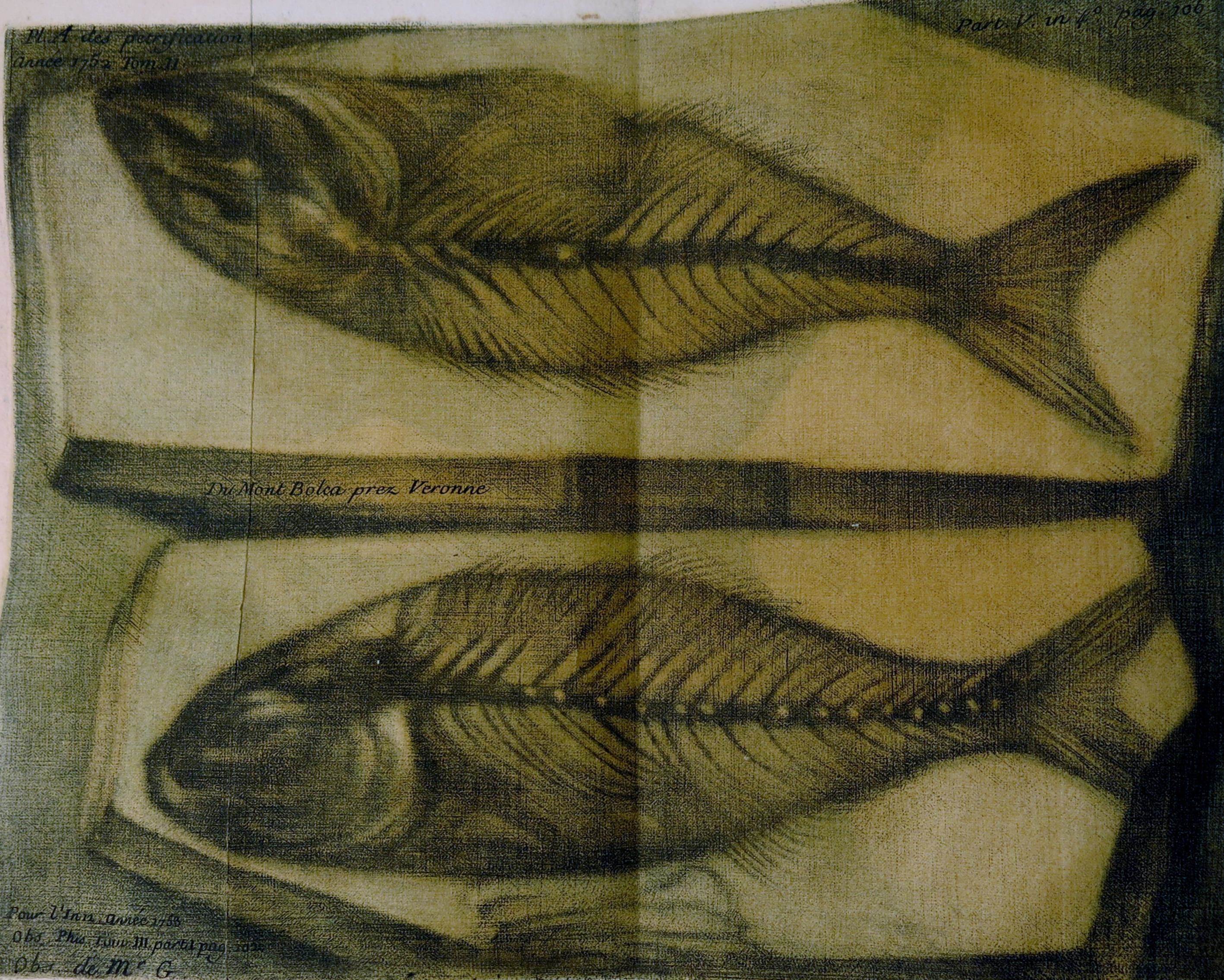
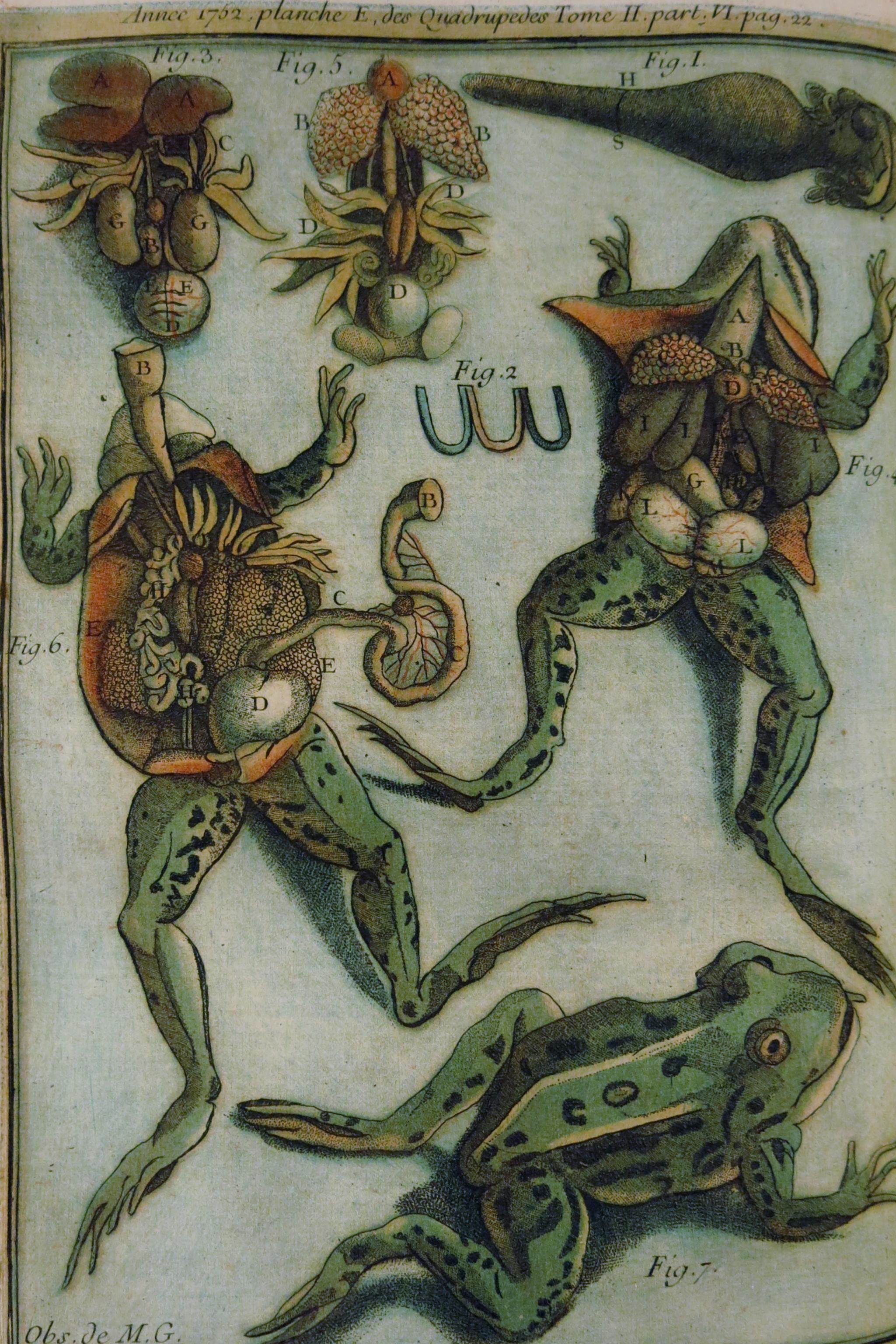
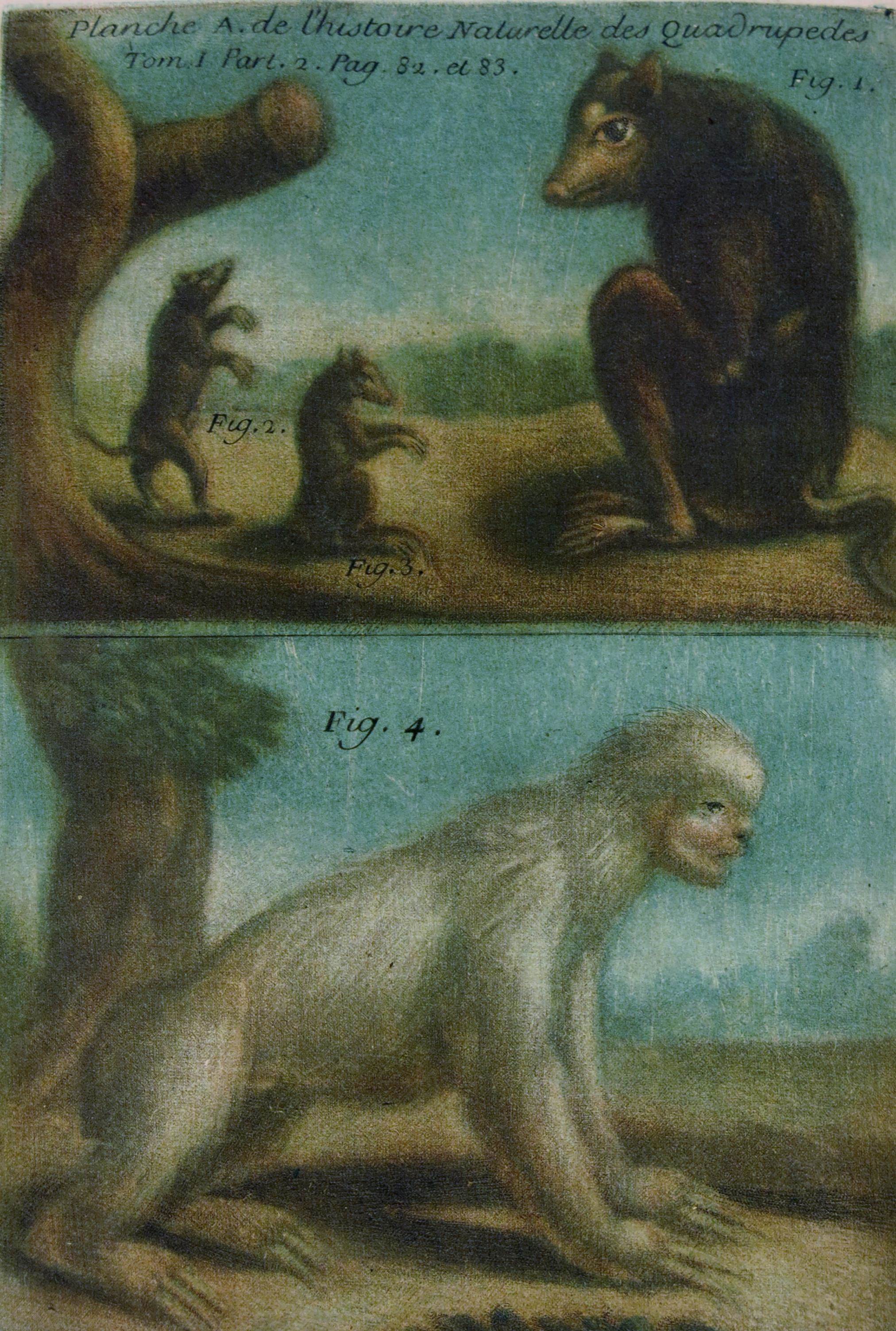
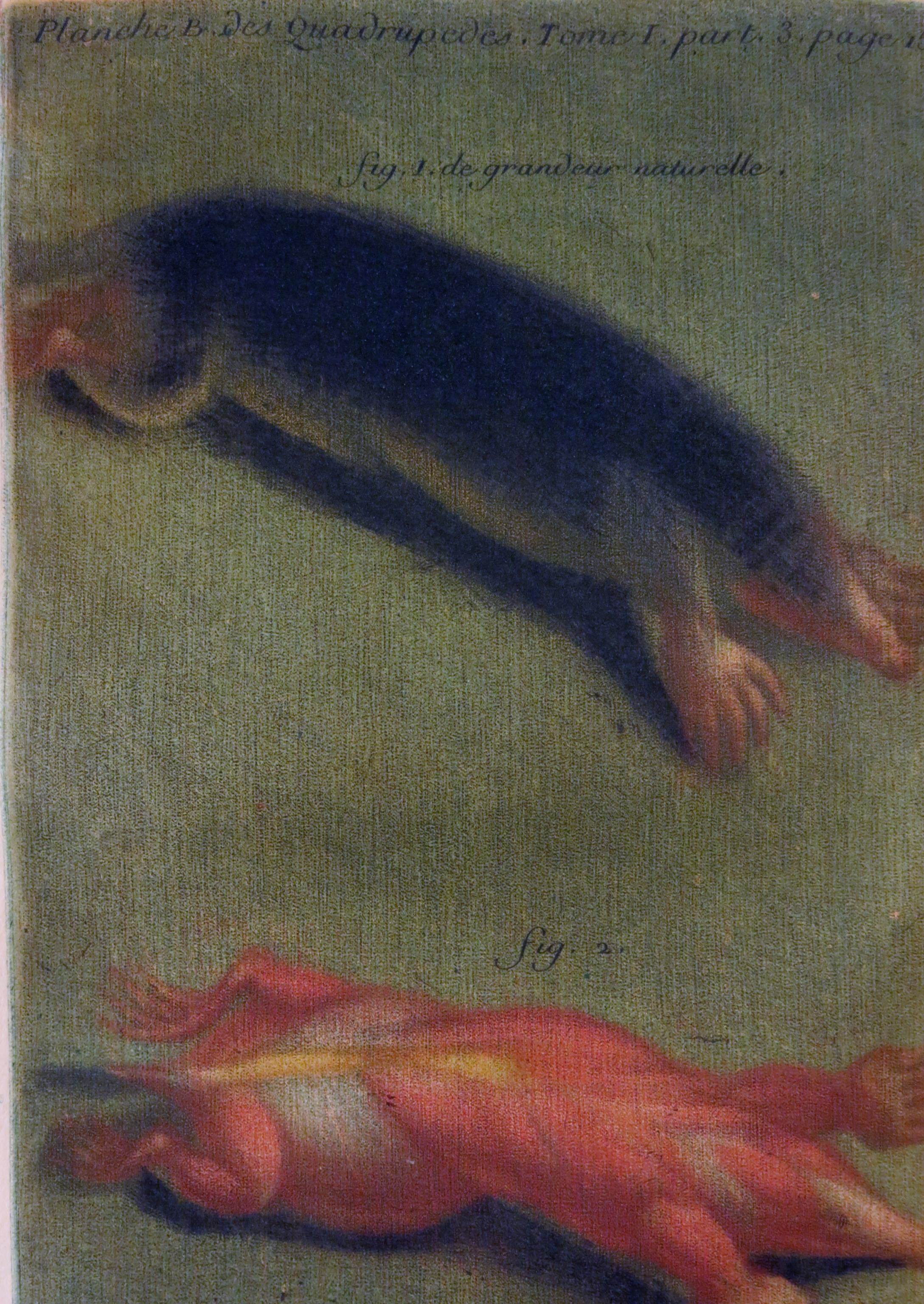
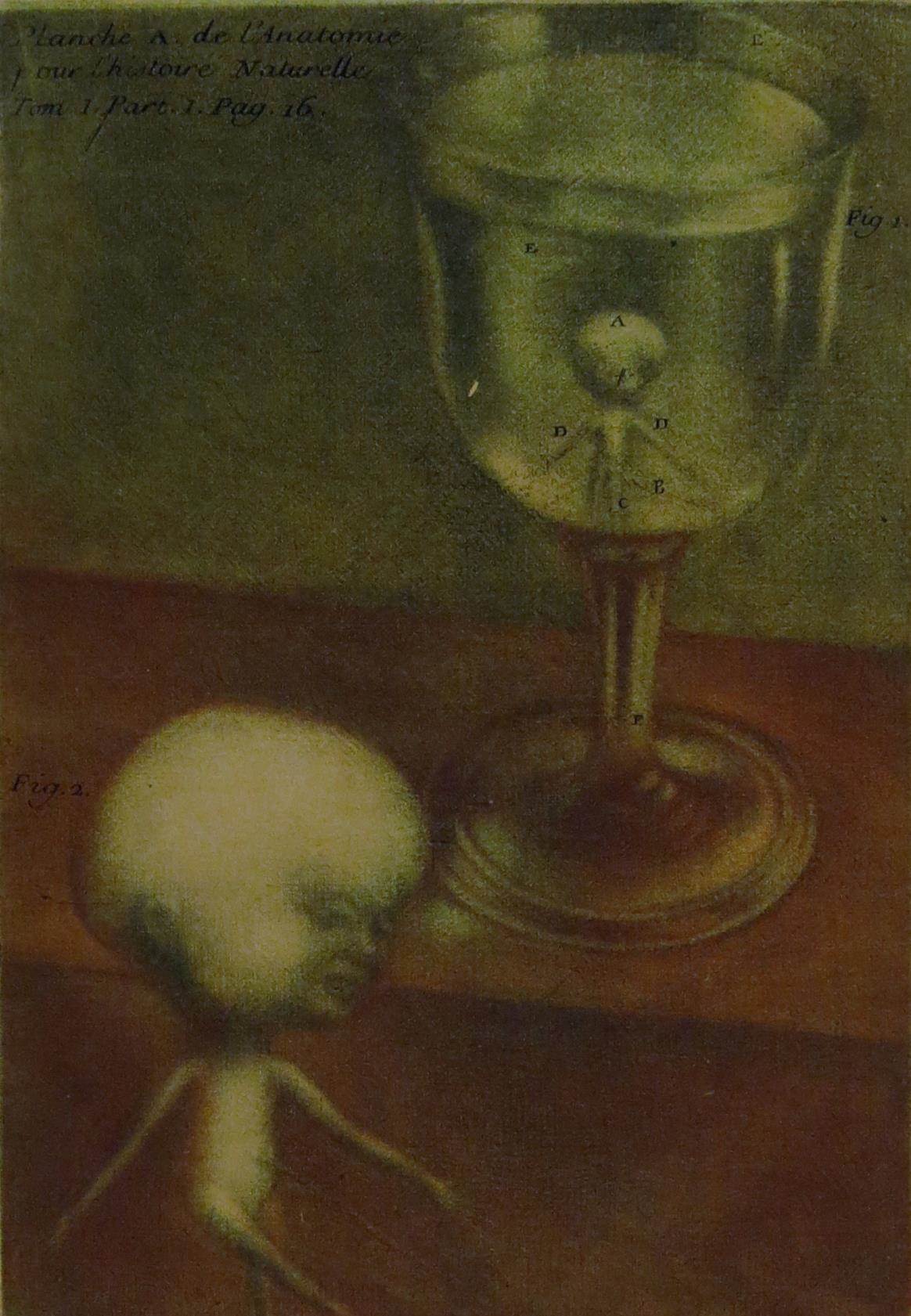
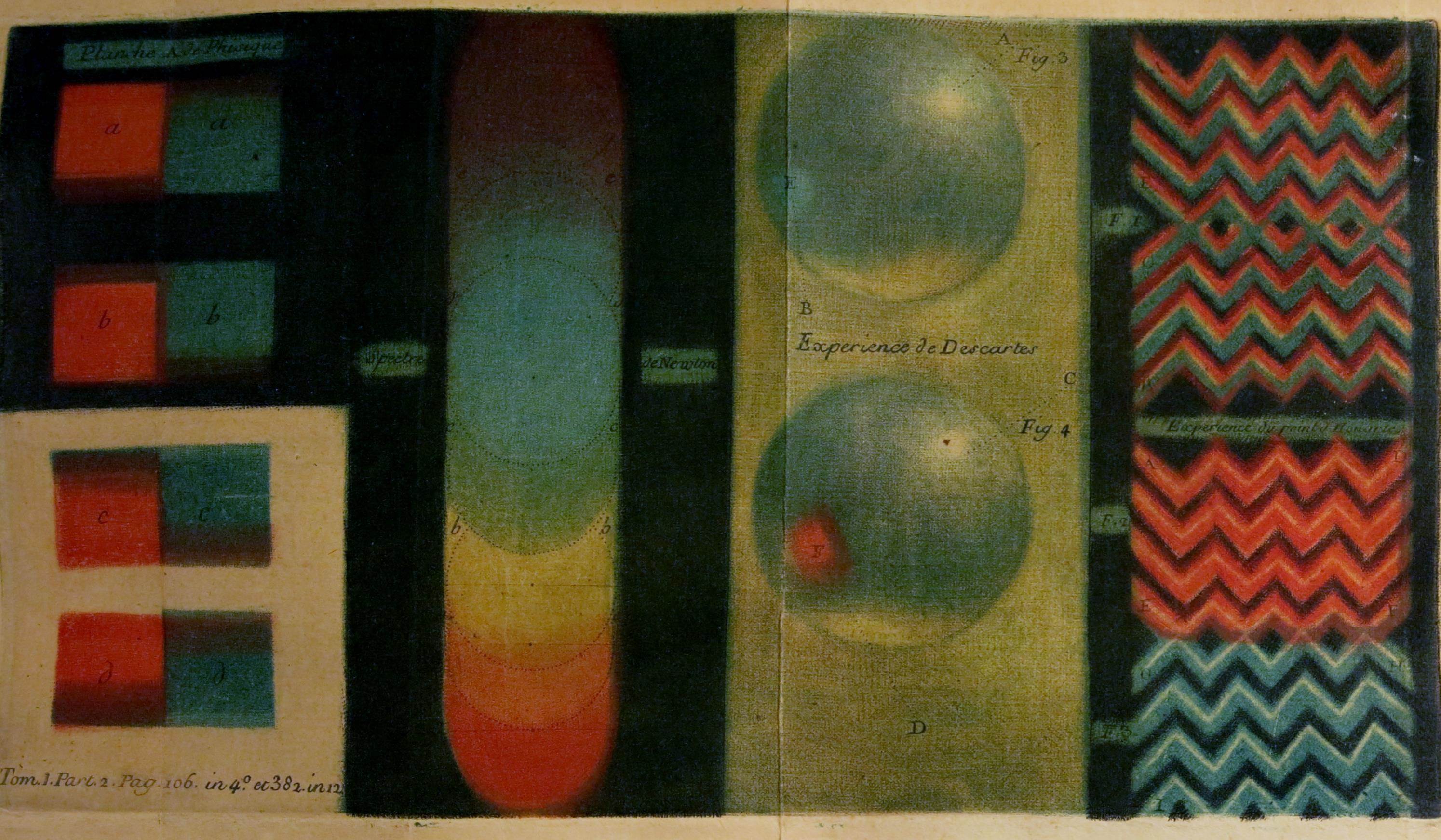
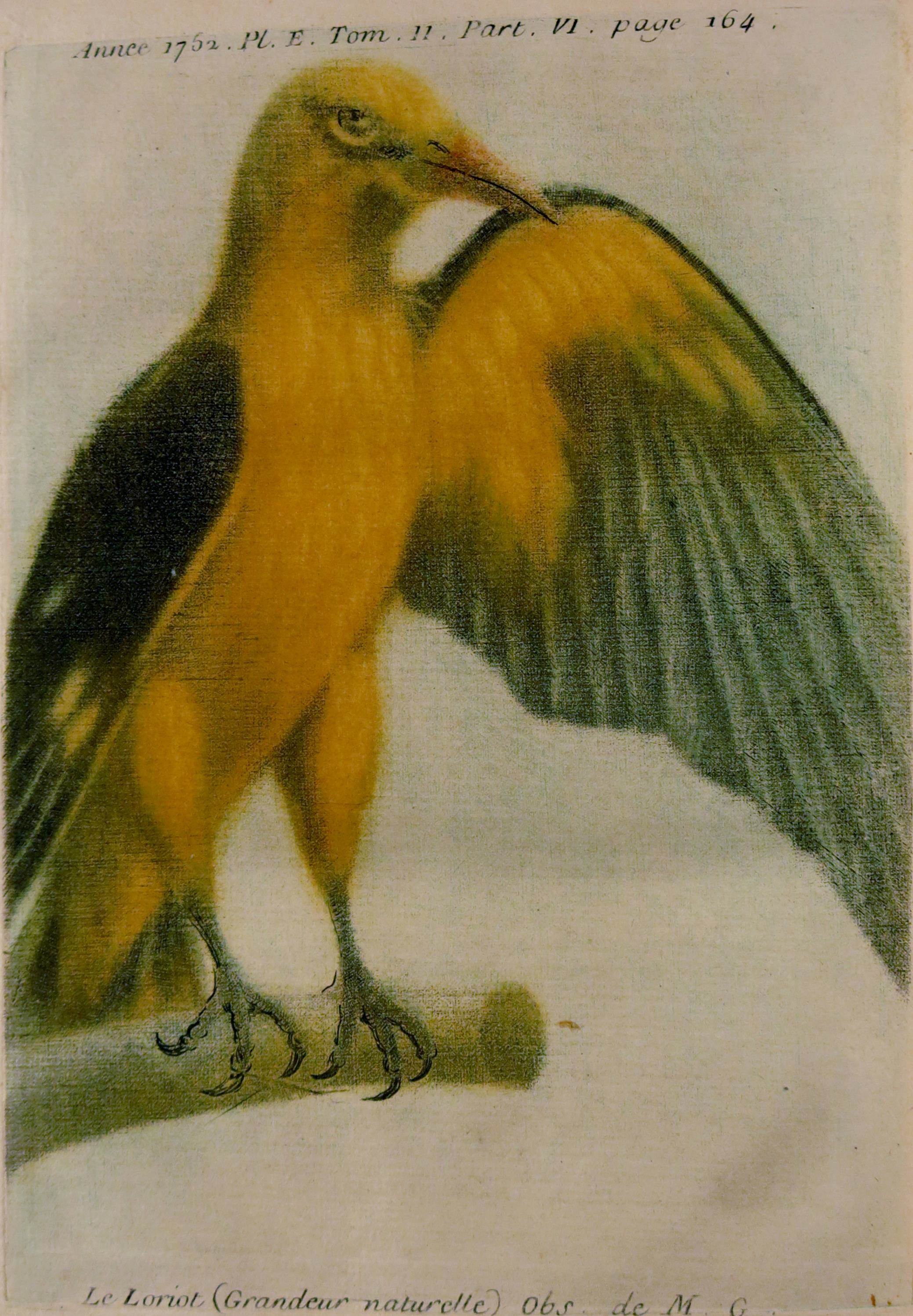
Between 1752 and 1756 in Paris, Jaques Fabien Gautier, or Gautier d’Agoty (1717-1785) published a six-volume, 18-part set titled Observations sur l’histoire naturelle, sur la physique et sur la peinture… While such publications were not uncommon at the time, what set this one apart was that it contained plates printed in color, the first science periodical to ever do so. He employed a well-established intaglio printmaking process known as mezzotint, a method of engraving in tone.1 

The Society holds two volumes in one of d’Agoty’s Observations sur l’histoire naturelle. In addition to observing specimens of natural history, like plants, mammals, birds, and humans, d’Agoty also included obeservations on physical science as well as art and painting. Below are some of the striking images that appear in the work. Enjoy!

[Disclaimer: If you got squeamish when dissecting a frog in high school, be aware that there are a couple of images of internal anatomy of humans and animals.]


1. Osborne, Harold, The Oxford Companion to Art, Oxford University Press, 1970.

“The most exquisitely drawn tragical character in the whole compass of the drama”: John Quincy Adams’ love of Hamlet

By Emily Ross, Adams Papers

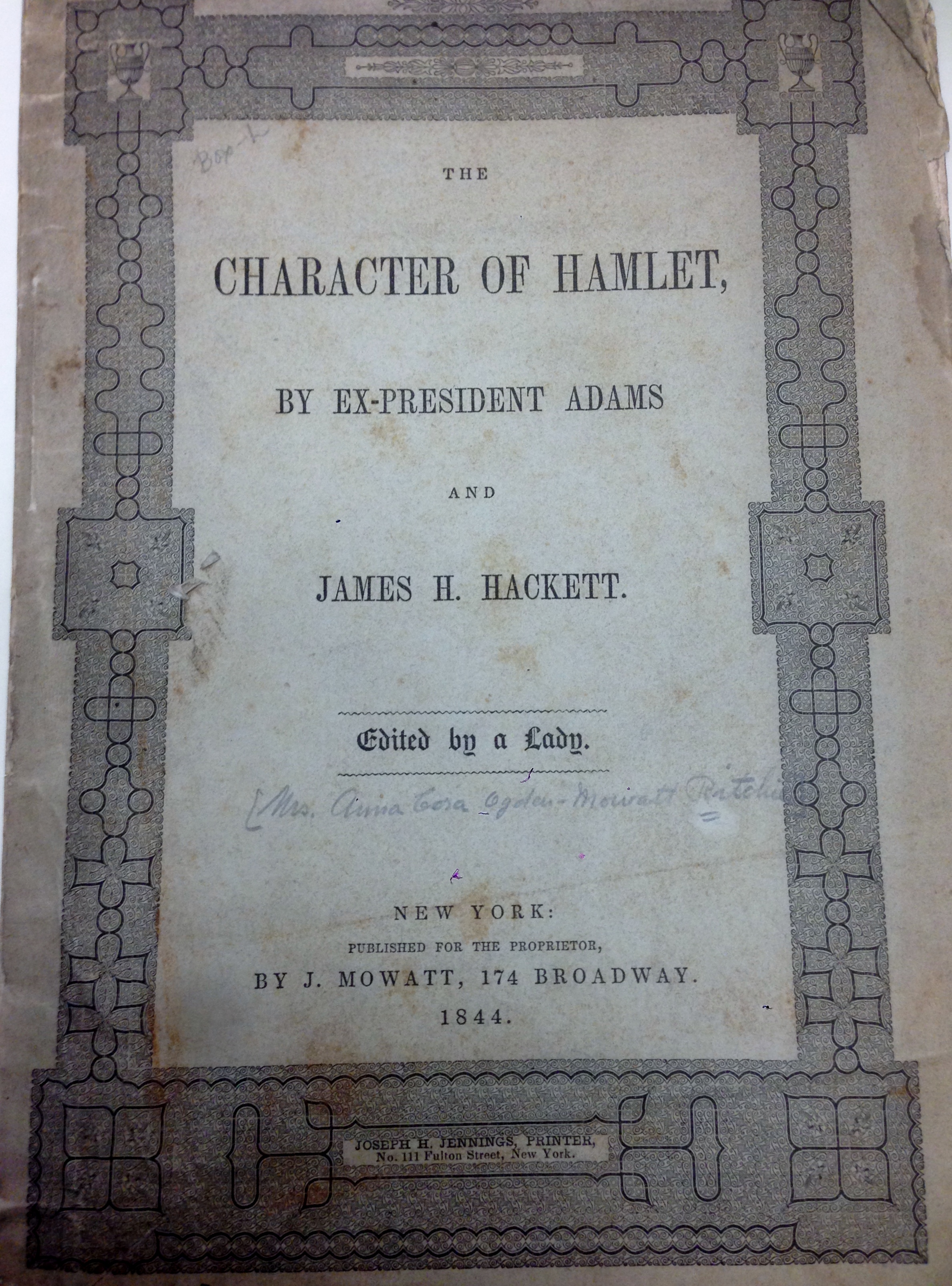
In an 1839 letter, John Quincy Adams stated his view that Shakespeare’s Hamlet was “the Master Piece of the Drama … I had almost said the Master Piece of the Human Mind.” He then gave an analysis of the play sufficiently scholarly and insightful that his letter and his correspondent’s reply were published as a pamphlet in 1844. A copy of this item is among the holdings of the MHS.

The front page of John Quincy Adams’ published interchange of correspondence with James Hackett, regarding the character of Hamlet.
 

While this publication may be the culmination of John Quincy’s preference for Hamlet, it is certainly not the only evidence of it: his admiration for the play is long-standing.

According to his diary, he saw the play at least seven times, and recalled the productions well enough to contrast the performances of different actors in the leading role. He wrote entries about attending performances on 16 May 1790; 30 November 1792, when the lead actor was “superior to my expectation”; 21 April 1794; 5 October 1797; 18 October 1799, when the lead acted “not well”; 17 April 1809, when the lead actor had “the promise of great powers”; and 13 August 1822, when he judged that the lead actor played Hamlet “indifferently.”

It is notable that the April 1809 Hamlet was the first play that John Quincy and Louisa Catherine took their sons George and John to see, at ages eight and six respectively. A challenging play for children to understand, it is not surprising that the boys had many “remarks and questions” during the performance.

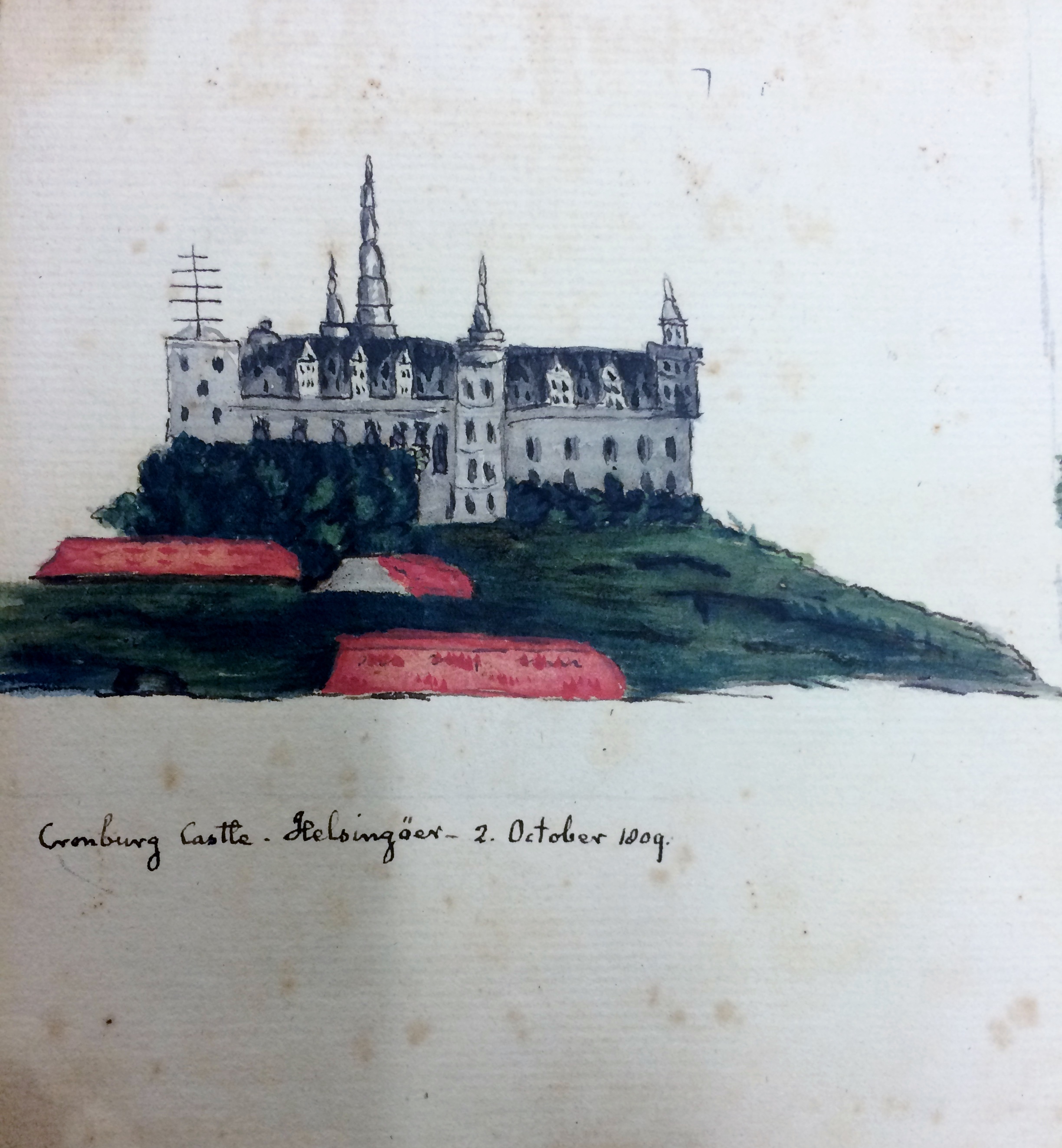
Later that same year, John Quincy and his family took a tour of the Baltic, and he created the following ink and watercolor picture of Cronburg Castle–better know as Shakespeare’s Elsinore.

Kronburg Castle, Helsingør, 2 October 1809, ink and watercolor picture in John Quincy Adams, Miscellany 5, Adams Papers.


It is unclear at what age John Quincy himself first saw Shakespeare on stage, but he had already read some of the works by the time he was ten. An avid reader, he reported to John Adams in October 1774, “I read my Books to Mamma.” While reading aloud was presumably for educational benefit at this point, in adulthood it was instead a form of entertainment—and what better to read than Hamlet? John Quincy Adams noted in his diary that he read Hamlet aloud in 5–6 October 1799, 3–9 August 1802, 16–18 January 1804, and 3–4 March 1823. As the date ranges show, these play readings would extend over several nights, like a mini-series. Twice John Quincy was the only reader, but in 1799 and 1823, he was one of two readers. One wonders how he would have reviewed his own performance…