
By Susan Martin, Collection Services
December 26 is the 201st anniversary of the tragic Richmond Theatre fire in Richmond, Va. The fire broke out during the evening performance when an oil lamp ignited pieces of stage scenery, sending the packed house of 600 running for the exits. But the theater, built long before fire safety regulations, couldn’t accommodate the escaping crowd, and in the end, 72 people were killed. Horrific accounts of the event appeared in newspapers across the country.
Harriet Otis, daughter of U.S. Senate Secretary Samuel Allyne Otis, was living in Washington, D.C. at the time. On December 28, 1811, she wrote:
Papa came home at noon with the sad intelligence of the destruction of the Richmond theatre by fire, in which many noted and interesting people perished—among others Lieut Gibbons [James Gibbon, U.S. Navy] who was here a little while since—so little while, that I felt a sensation of horror at hearing he was no more—the particulars of this horrible catastrophe I do not yet know.
Two days later, she had a little more information:
Every tongue utters some new circumstance of horror respecting the Richmond sufferers—Poor Gibbon! hard as seems his fate well may his mother, rescued by him, exult in such a son—He had saved her and rushed back to save Miss [Sallie] Conyers a lady to whom he had long been attached—his efforts were vain and they both perished.
Bostonian Sophia (Sewall) Wood didn’t hear about the fire until January 7. While newspaper reports had overestimated the loss of life, Sophia was deeply affected by the story:
This eve heard of a most melancholly heart-rending account of a dreadful fire at Richmond in Virginia. The Theatre burnt to ashes & 150 Persons fell victims to the flames. This news, so distressing we cannot contemplate unmoved. Oh! but how littlecan we feel for those sufferers & yet how much.
Religious leaders were soon speculating about metaphysical causes. Was the fire a punishment from God for the institution of slavery? For theater-going and other “vices”? The MHS holds a number of sermons preached shortly after the fire, one of which boasts the colorful title: Repent! repent! or likewise perish!…on the late calamity at Richmond, Virginia.
Sophia Wood took a similar line:
Good often arises from the most calamitous events & tis to be devoutly wish’d, that this signal distress, will direct the minds of the disapated inhabitants of V___a to that divine sun of truth & religion, without which our lives are blanke here & the prospect of the future is indeed melancholly.
Harriet Otis, however, hesitated to pass judgment. On January 5, she described a sermon by Senate chaplain John Brackenridge that drew parallels to a Biblical story:
Mr Breckenridge warned us in a very good discourse not to think that “those Jews on whom the tower of Siloam fell were sinners above all others”—Alas who could be so dead to compassion as to pronounce such a sentence on the Richmond sufferers.
The Richmond Theatre building had been entirely consumed, and in 1814 Monumental Church was constructed on the site as a memorial to those who died.

Take 6 quarts of Brandy, and the Rinds
When I eagerly returned home the following day to inspect the brandy infusion, a heavenly citrus aroma wafted from the bowl. I removed the lemon zest from the brandy and added water, lemon juice, and sugar. Because I didn’t exactly have a whole nutmeg lying around (Stop & Shop was fresh out), I had to cheat a bit with that part of the recipe. I substituted the pre-grated spice instead, estimating the amount. I stirred the concoction until the sugar dissolved, but let’s face it – it was still mostly brandy. The temptation to try it then was strong, but I held out for the true Franklin experience.
Students visited the MHS several times, both as a class and as individual researchers. They had the opportunity to analyze a series of manuscripts and published documents. Pamphlets such as John Eliot’s Strength Out of Weakness (1652), describe Puritan’s attempts to convert Indians to Christianity, while other works, like William Hubbard’s The Present State of New-England: Being a Narrative of theTroubles with the Indians in New-England (1677) suggest that not all native peoples were willing to adopt English customs or religious principles. Class members also transcribed a number of documents from the Winslow family papers, which include the papers of Edward and Josiah Winslow, colonial governors of Plymouth Colony from 1638-1680. Several letters in the collection detail colonists’attempts to negotiate with Metacom and other native inhabitants, even as native groups began forming alliances against the English settlers.

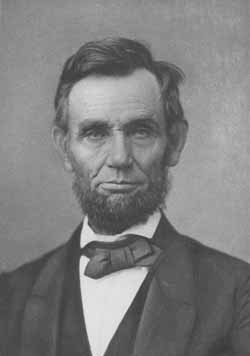
Recent viewers of Steven Spielberg’s film Lincoln may be wondering whether an Adams-Lincoln connection exists as the Adamses always seem connected to the major figures of American history. John Quincy Adams and Abraham Lincoln indeed served together in the 30th Congress for three months before John Quincy Adams died on February 23, 1848. Lincoln served on the Committee of Arrangements for Adams’s funeral, but that is the only conclusive connection between the two. They shared similar political outlooks, particularly on slavery, but what Adams thought about the young Lincoln, history does not record.