
By Dan Hinchen
On Tuesday, 11 February, join us at 5:15PM for an Environmental History seminar as Brian McCammack of Williams College presents “‘A tacit proclamation of achievement by the Race’: Landscapes Built With African American Civilian Conservation Corps Labor in the Rural Midwest.” This paper seeks to show not only how the young men of the Civilian Conservation Corps changed rural landscapes, but how those landscapes often changed them as well. McCammack explores the understudied implications of tens of thousands of young African American men in unexpected places during the Depression years: the forests and fields of the rural North. Neil Maher, NJIT –Rutgers University Newark Federated History Department, provides the comment. Seminars are free and open to the public; RSVP required.
The next day, Wednesday, 12 February, come by at 5:30PM for Created Equal: The Loving Story, a special film screening and discussion. Mildred and Richard Loving knew it was technically illegal for them to live as a married couple in Virginia because she was of African American and Native American descent and he was white. The Loving Story, nominated for an Emmy in 2013, brings to life the Lovings’ marriage and the legal battle that followed. Discussion will be facilitated by Joanne Pope Melish, University of Kentucky. Registration is required at no cost for this event. To Reserve: Click here to register online or call the MHS reservations line at 617-646-0560.
And on Thursday, 13 February, is the next installment of the History of Women and Gender seminar series. Gloria Whiting of Harvard University and commenter Barbara Krauthamer of UMass-Amherst present “‘How can the wife submit?’ African Families Negotiate Gender and Slavery in New England.” This paper discusses various ways in which the everyday realities of slavery shaped gender relations in Afro-New England families. While the structure of slave families in the region was unusually matriarchal, these families nonetheless exhibited a number of patriarchal tendencies. Enslaved African families in New England therefore complicate the assumption of much scholarship that the structure of slave families defined their normative values. This seminar is free and open to the public; RSVP required. Talk begins at 5:30PM. Please note that this seminar is held at the Schlesinger Library, Harvard University.
Please note that the Society is closed on Monday, 17 February, in observance of President’s Day. Normal hours resume on Tuesday, 18 February.
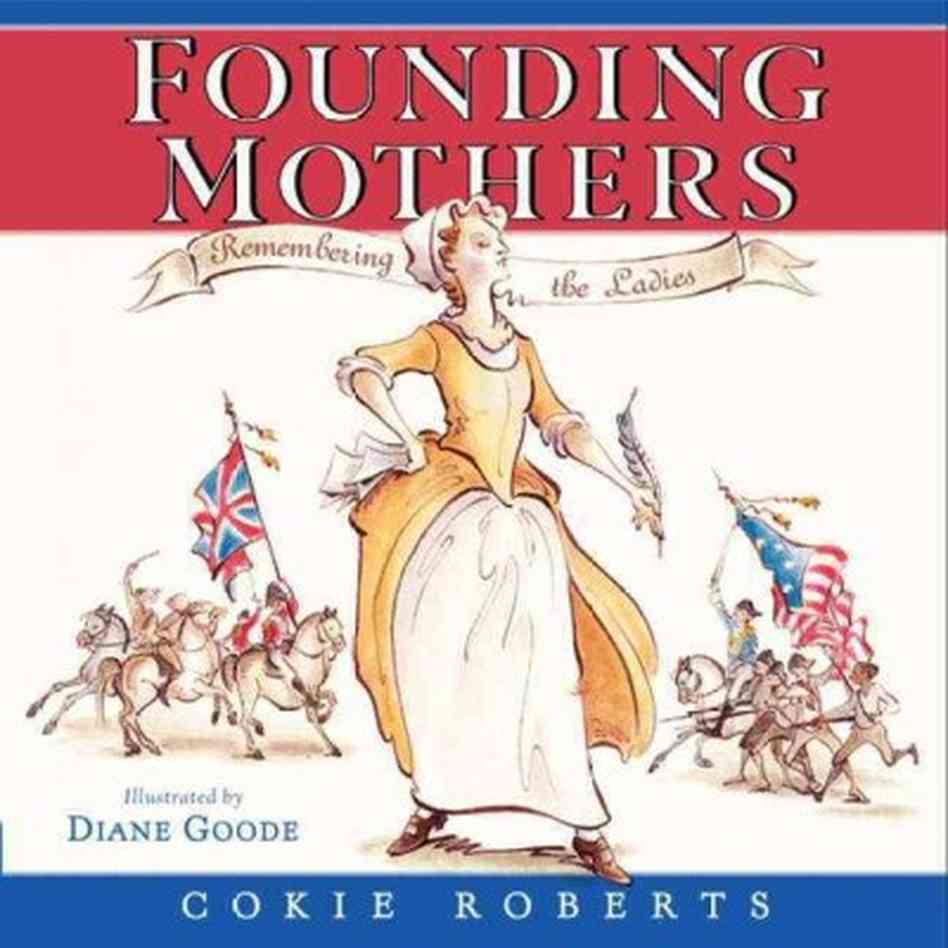 On 29 January, the Society hosted a special author talk for a very lucky group of middle-school students. The star of the show was none other than Cokie Roberts: MHS Fellow, journalist, political commentator, and author of the new children’s book Founding Mothers: Remembering the Ladies. The book, which is based on her 2004 bestseller Founding Mothers: The Women Who Raised Our Nation, chronicles the lives of the women who helped to found and nurture the United States. Abigail Adams is duly represented, as are Martha Washington, Phillis Wheatley, and Mercy Otis Warren. The book also introduces young readers to characters who might be less familiar: women like Deborah Sampson, the Massachusetts native who disguised herself as a man and fought in the Revolution, or Esther DeBerdt Reed, who raised more than $300,000 to purchase supplies for the underfunded Continental Army.
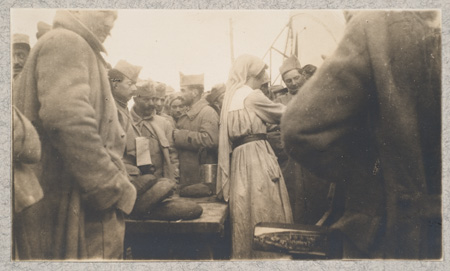 This photograph of a fellow worker illustrates the hectic pace of Hall’s canteen work.
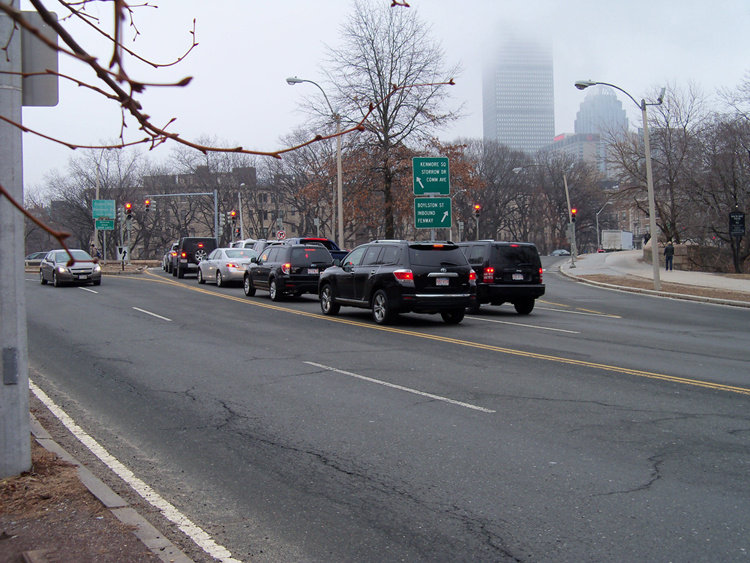 “Intersection of Boylston Street and Charlesgate from the West. Photograph by Anna J. Clutterbuck-Cook, January 2014.”
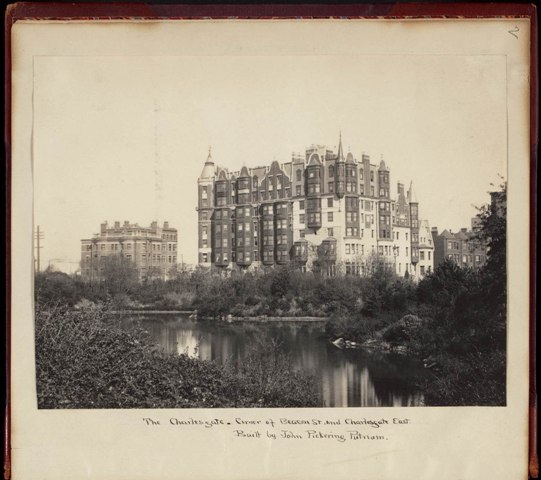 “Charlesgate Park. Photograph by unknown photographer, circa 1893-1896. Sarah Gooll Putnam Diaries, vol 20, MHS.”
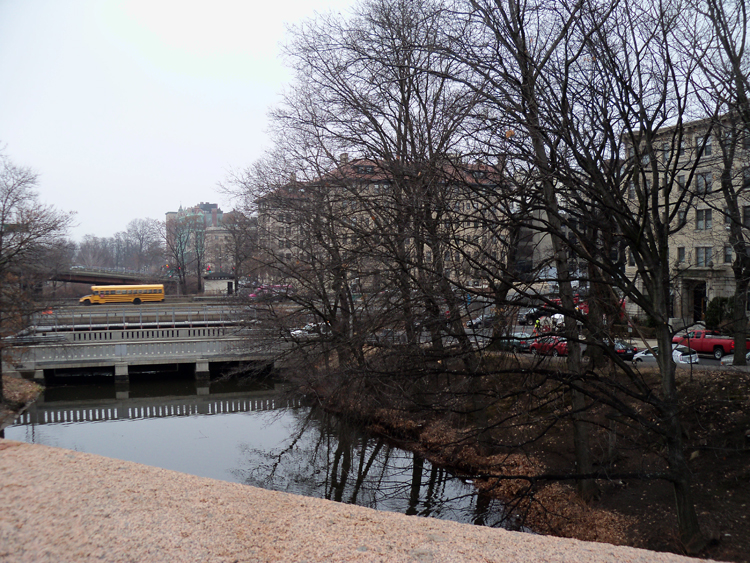 “Charlesgate Park from the corner of Boylston Street and Charlesgate East. Photograph by Anna J. Clutterbuck-Cook, January 2014.”