

By Judith Graham, Adams Papers
Louisa Catherine Adams’ (LCA) only known writings about the period of her daughter and namesake’s final illness in St. Petersburg are eloquent in their brevity and starkness. In a second, shorter version of “The Adventures of a Nobody,” a memoir begun in 1840 and composed largely in diary form, LCA wrote:
3 [30] August [1812]: Went into the Country with my sick Child.
9 [September]: Took my Babe back to the City in Convulsions Dr Simpson and Galloway both attend the Babe
12 [15 September]: My Child gone to heaven
To assuage her grief, LCA on 22 October began to keep her Russian diary. “I have procured this Book with a view to write my thoughts and if possible to avoid dwelling on the secret and bitter reproaches of my heart for my conduct as it regarded my lost adored Child whose death was surely occasion’d by procrastination,” LCA explained, needlessly blaming herself for the loss. In her despair LCA wrote on 5 Dec. that her daughter’s death was a blow that left her “only desirous of mingling my ashes with those of my lovely Babe.”
In a 30 January 1813 letter, Abigail Adams, writing as one who early in life “had also been “call’d to taste the bitter cup”—a reference to the loss of her own daughter, Susanna, in infancy—offered her daughter-in-law consolation. When LCA replied on 4 April, her self-reproach was again evident: “I have the horrid idea that I lost my darling owing to a fall which I had with her in my arms in, which I did not percieve that she had met with the slightest injury but which is said to have been the cause of her death.” By 14 August of that year LCA could report relief of a kind. “What wonderful changes have taken place since I last took up this book even my health and spirits are so much amended that I scarcely know myself,” she wrote in her diary, and she thanked “the Almighty disposer of events for his great mercy in having raised me up and comforted me.” She would “ever put my trust in him for in heaven alone can I find consolation and I look forward with the hope of soon being reunited to my Angelic Babe—”
But on 7 February 1814 she wrote, with her usual forthrightness, “Mr Adams gave me Dr [Benjamin] Rush’s work upon the deseases of the Mind to read. . . . I confess it produced a very powerful effect upon my feelings and occasion’d sensations of a very painful kind since the loss of my darling babe I am sensible of a great change in my character and I often involuntarily question myself as to the perfect sanity of my mind.”
LCA gradually regained her confidence, showing remarkable resourcefulness and nerve on her 2,000-mile journey from St. Petersburg to Paris, 12 February to 23 March 1815, to meet her husband, John Quincy Adams (JQA), who had been negotiating the Treaty of Ghent. In “Narrative of a Journey from Russia to France” she reflected on her bitter experience in Russia: “In Petersburg for five long years I had lived a Stranger to all, but the kind regards of the Imperial family; and I quitted its gaudy loneliness without a sigh, except that which was wafted to the tomb of my lovely Babe— To that spot my heart yet wanders with a chastened grief, that looks to hopes above—”
An edition of Louisa Catherine Adams’ account of her demanding and eventful life—her childhood, courtship and marriage, and the years with JQA on his diplomatic missions to Prussia and Russia and during his periods of service as Massachusetts and U.S. senator, U.S. secretary of state, and U.S. congressman—has been prepared at the Adams Papers, Massachusetts Historical Society, and will shortly be published: Diary and Autobiographical Writings of Louisa Catherine Adams, ed. Judith S. Graham, Beth Luey, Margaret A. Hogan, and C. James Taylor, 2 vols., The Belknap Press of Harvard University Press, 2013.
For JQA’s description of the death of his daughter, please read, Louisa Catherine Adams: A Father Reflects on the Death of his Infant Daughter.
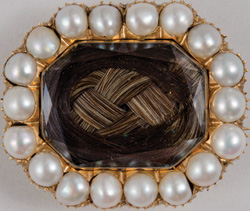 had their own ways of commemorating loved ones. In Death Lamented: The Tradition of Anglo-American Mourning Jewelry, an upcoming exhibition at the MHS by jeweler Sarah Nehama and MHS Curator of Art Anne Bentley, examines the practice from the 17th through the 19th century of commissioning and wearing rings, bracelets, brooches, and other jewels to honor the dead.
 available for purchase on
  A French citizen, Lafayette began his career as a musketeer in the king’s regiment and married into a wealthy, well-connected French family. The reports of Americans fighting for liberty moved him, and in 1777 he bought a ship and sailed for America. Upon arrival, Lafayette earned an honorary commission as major general in the Continental Army. Gen. George Washington became his mentor, and Lafayette was devoted to him. Lafayette earned fame for his courage on the battlefield, and he used his family connections to obtain crucial material aid from France for the American cause. His support for the Revolution, especially as a foreigner, captured the imagination and admiration of Americans. He was beloved in the United States for the rest of his life.
 Lafayette’s legacy is apparent in the Society’s collections, which include correspondence, artifacts, and memorabilia from the time of the American Revolution and his celebrated return trip to the States in 1824-1825. The portrait gallery also features Jospeh Boze’s well-known portrait of Lafayette. Thomas Jefferson commissioned this work for his gallery of American heroes in honor of Lafayette’s contributions to the American Revolution. The portrait depicts Lafayette at the pinnacle of his career. He wears the uniform of the French National Guard and a confident expression as he gazes off into the distance. Even at 255, he still looks good. A happy birthday to him.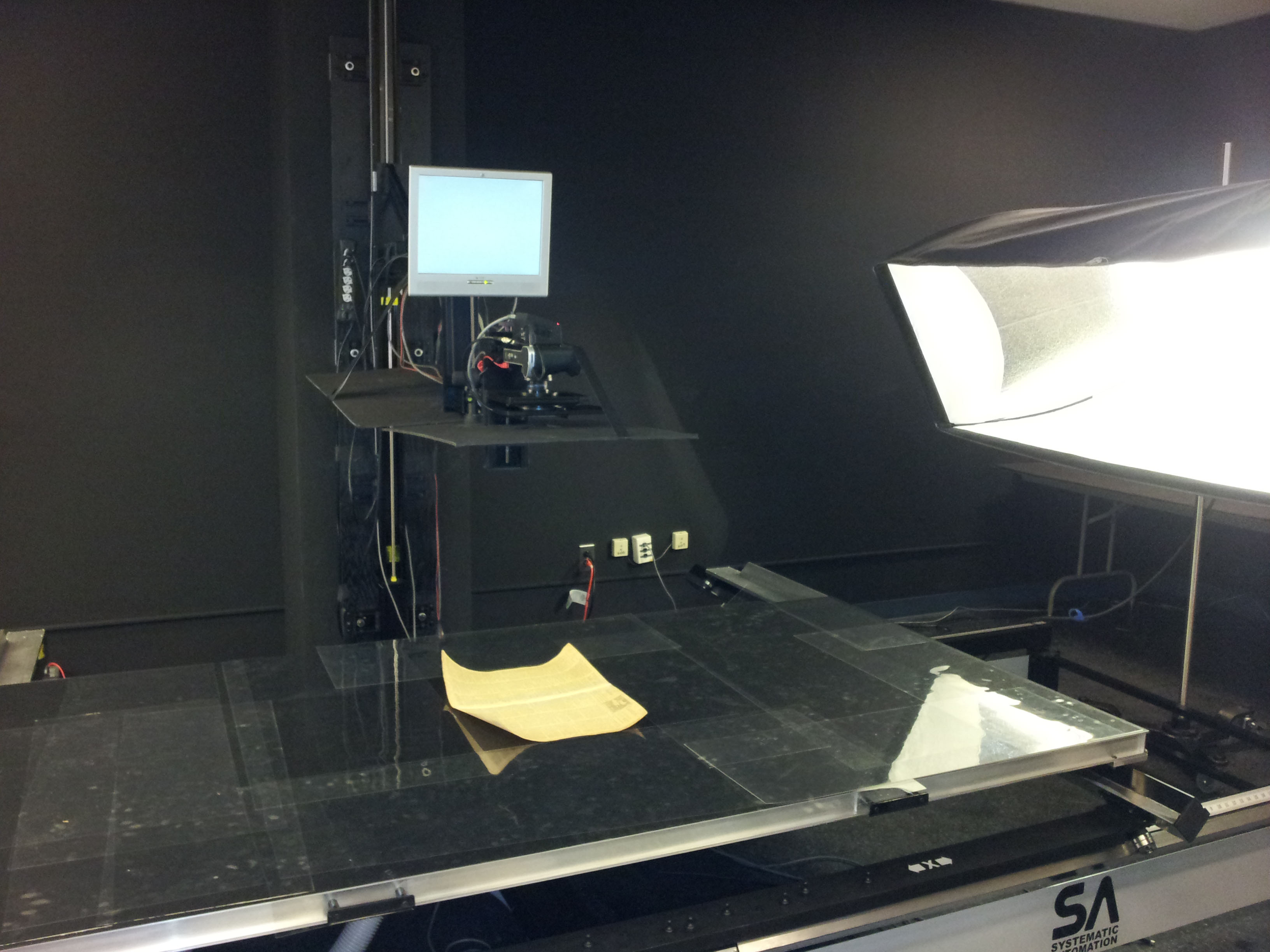
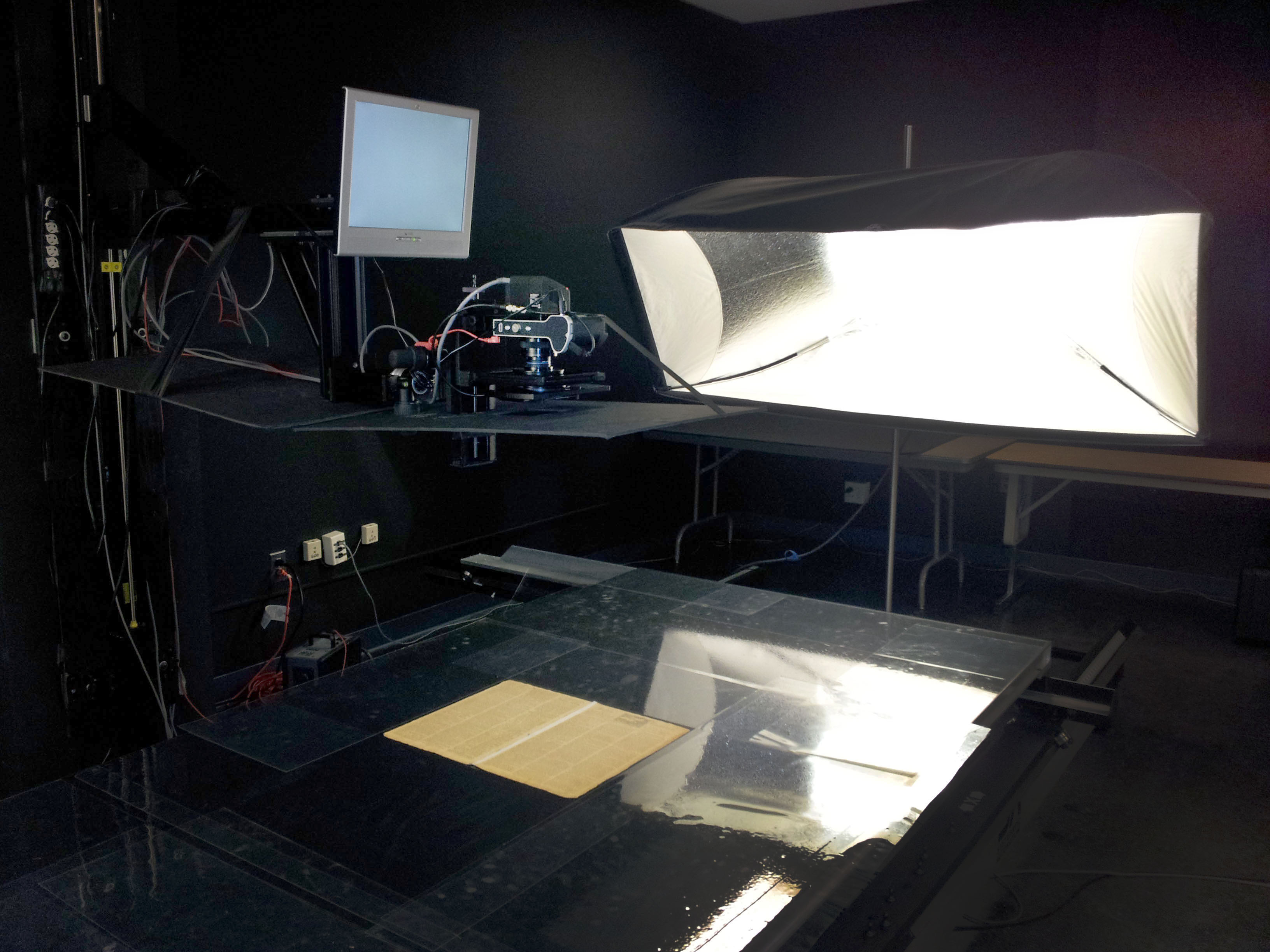
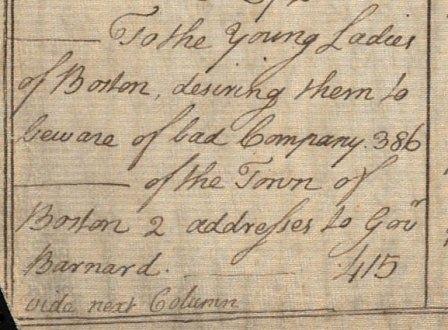 Part of the Harbottle Dorr, Jr. Annotated Newspaper project has been to transcribe and encode for presentation and searching at our website his interesting and detailed indexes. In the process, we took special notice of those subject headings that were quirky, weird, and–to our “modern” sensibilities–humorous.
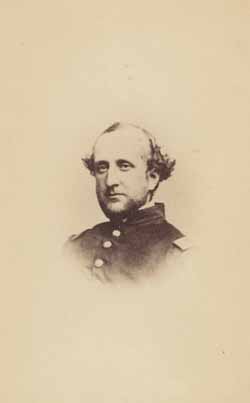 Captain Richard Cary of the Second Massachusetts Volunteer Infantry Regiment, the subject of the