
By Amanda A. Mathews, Adams Papers
Here at the Adams Papers we receive calls on occasion from the media looking for information on John and John Quincy Adams. This past month, Gregg Lint, Series Editor for The Papers of John Adams, and Jim Taylor, Editor-in-Chief, fielded a somewhat more unusual request. Voice of America, Korea, interviewed them as a part of a series they are doing on American presidents (the interviews can be found here). These interviews posed an interesting question—what would you most want to convey about these two American presidents to an audience unfamiliar with American history?
Gregg Lint highlighted three aspects of John Adams’s career: his writing of the Massachusetts Constitution and its influence on the federal Constitution, his diplomatic career, and his success in keeping the country out of war with France during his presidency.
John Quincy Adams, Jim Taylor emphasized, was well prepared to be president by his legal, political, and diplomatic careers, however, partisanship and changing American democracy prevented him from accomplishing much while in office, leaving his most significant achievements before and after the presidency.
As Independence Day approaches, we think more about these two presidents. John Adams’s connection with the holiday is well known: the “Atlas of Independence” who famously died on the 50th anniversary of that historic event.
John Quincy Adams also has an important Independence Day connection. On July 4, 1821, he gave a speech before the House of Representatives, which later became the basis for the Monroe Doctrine. The Declaration of Independence, John Quincy Adams affirmed, “stands and must forever stand alone, a beacon on the summit of the Mountain, to which all the Inhabitants of the Earth may turn their eyes for a genial and saving light, till Time shall be lost in Eternity and this Globe itself dissolve nor leave a wreck behind.— It stands forever, a light of admonition to the rulers of men; a light of salvation and redemption to the oppressed.”
With this message of liberty to the world, there is no doubt that John and John Quincy Adams would have been well pleased to find the stories of their lives and their steadfast belief in liberty broadcast to people around the world.
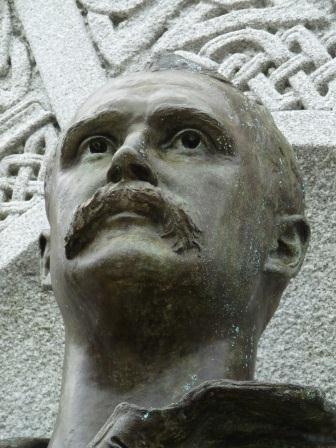
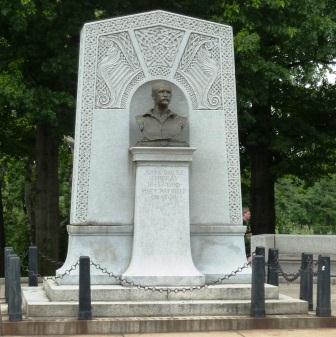 and social activist who brought his passion and patriotism to Boston. He was a giant in the city and won the admiration and respect of all those he met. Upon his death in 1890, thousands of people descended on Tremont Temple to pay their respects.
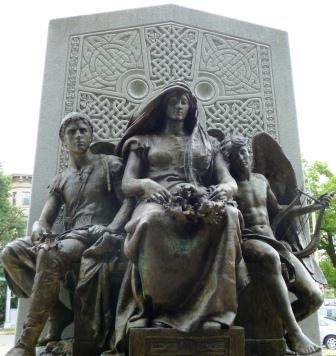 The figures are placed in front of a backdrop composed of a Celtic cross and Celtic knots carved into the stone.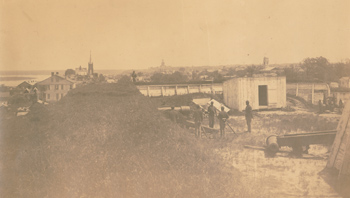
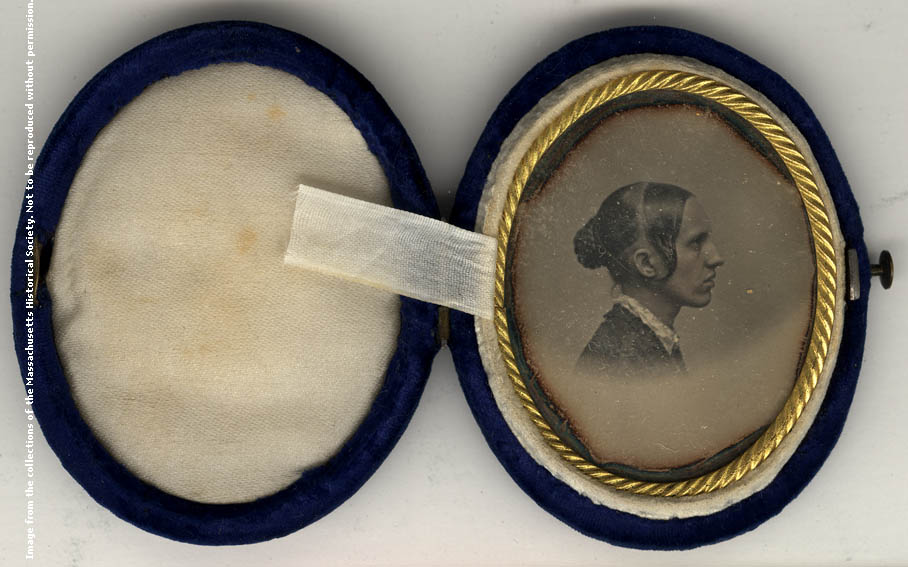

 We are working on a book to coincide with the Society’s upcoming exhibition on mourning jewelry. The book, titled In Death Lamented: The Tradition of Anglo-American Mourning Jewelry, features mourning jewels from the Society’s collection and from the private collection of the author, Sarah Nehama.
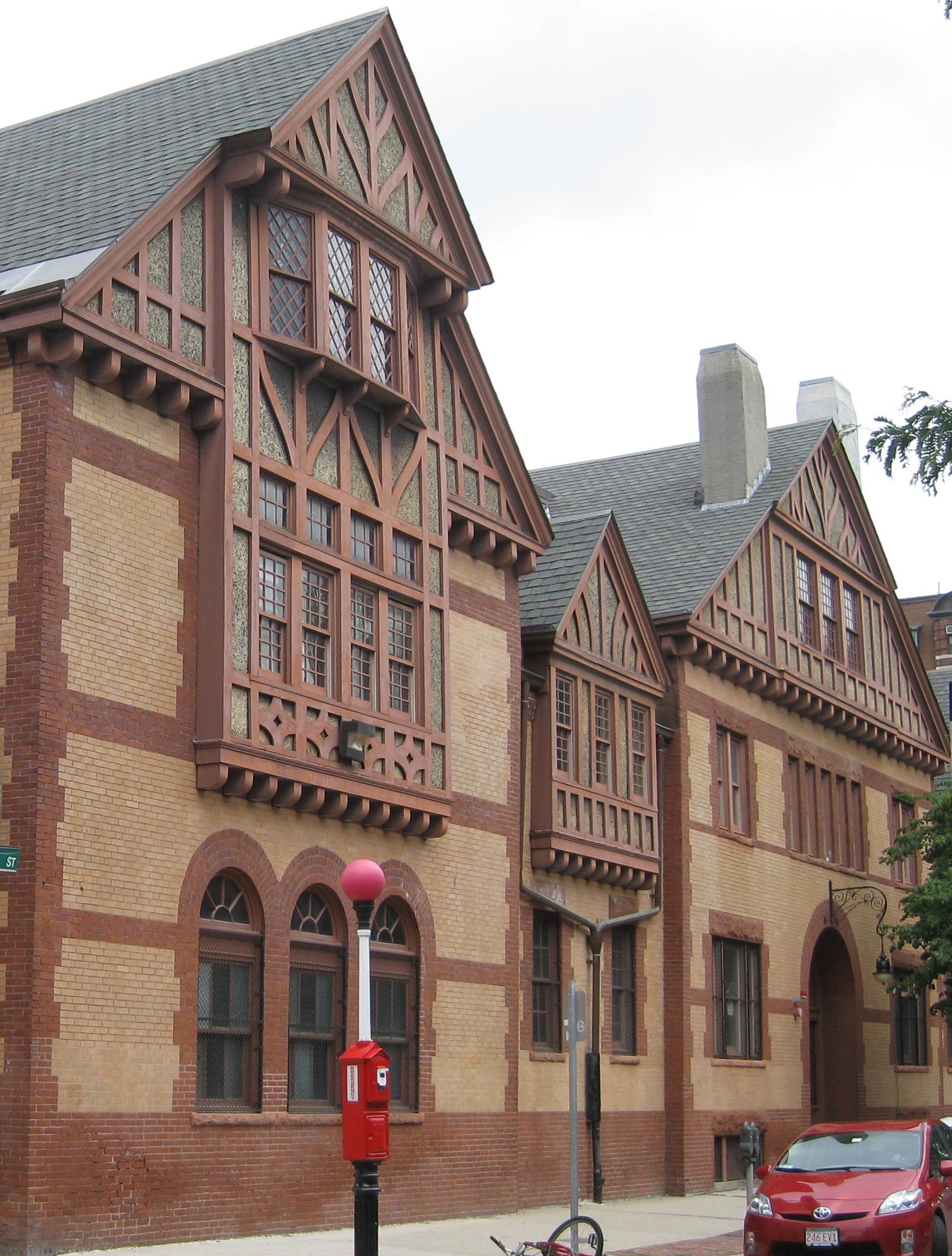 Just think of the variously colored steeples that dot the campus of Harvard in nearby Cambridge; the golden dome of the State House; and of course, the grand brownstones that line Newbury and Beacon Streets and Commonwealth Avenue. One architectural style that is not well represented in Boston, though, is the Tudor Revival style. And yet, just around the corner from the MHS, among the rows of stone and brick apartment buildings, is a fine example of that style.
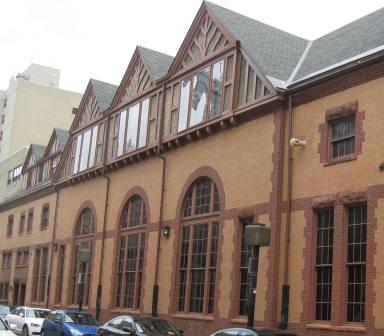 A quick look at the building’s exterior shows one repeated feature that hints to its original use: around the building are several large portals — some arched — resembling modern-day garage doors giving the viewer the impression of stables.